EN
Soil and Rock Stabilization System
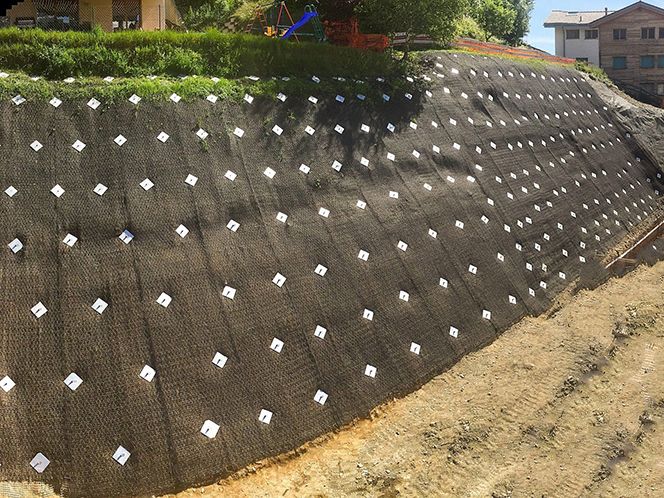
Foundation Pit Support refers to the temporary retaining, reinforcement, protection, and groundwater control measures adopted during the construction of buildings or underground structures to ensure the safety of underground construction, the stability of the surrounding environment, and the safety of the foundation pit slopes.
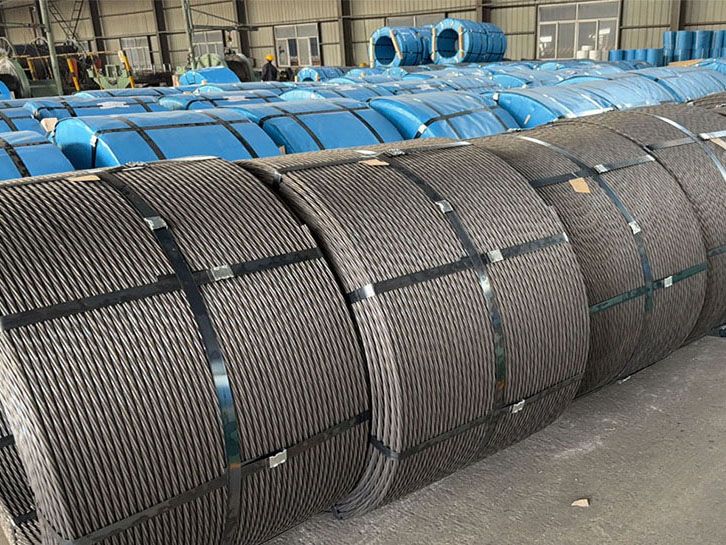
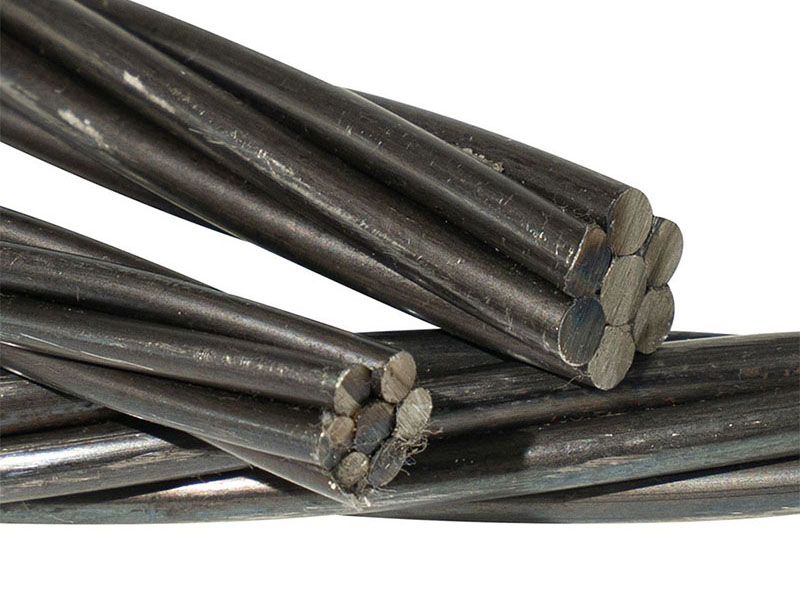
By selecting structural forms such as diaphragm walls, anti-floating anchor cables, and anchored soldier pile walls, and combining them with key materials such as prestressed steel strands, to ensure the safety of deep foundation pit construction, and protect the surrounding environment.
ADVANTAGES
Diaphragm Wall Support:
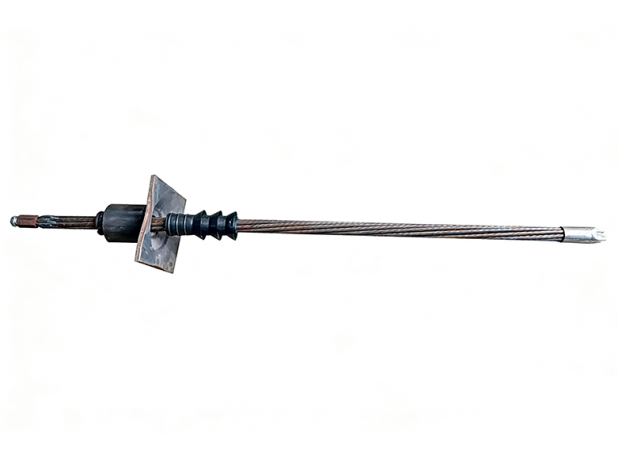
Construction Process: Drilling → Anchor cable fabrication → Anchor cable installation → Grouting → Tensioning and locking → Anchor sealing.
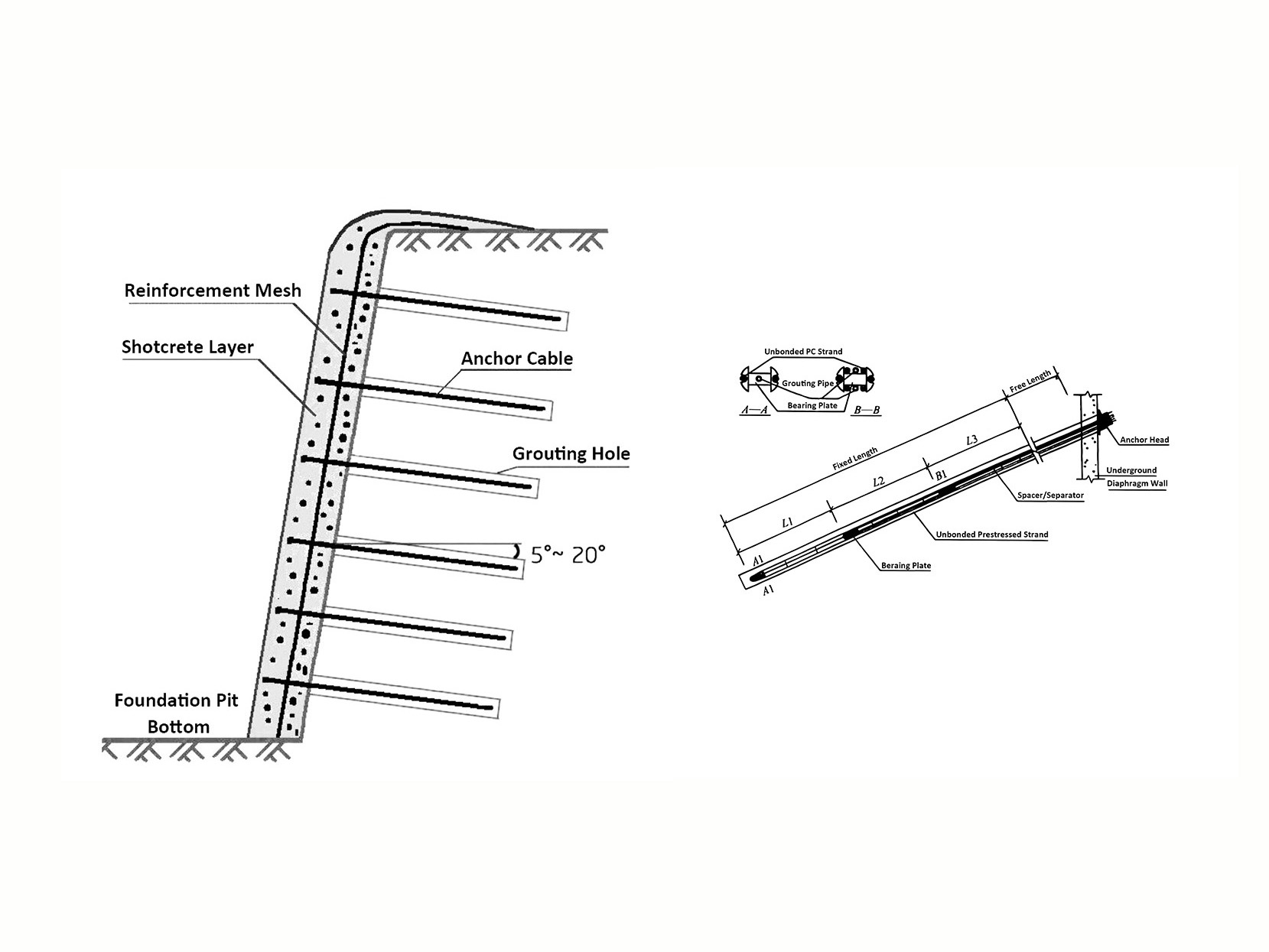
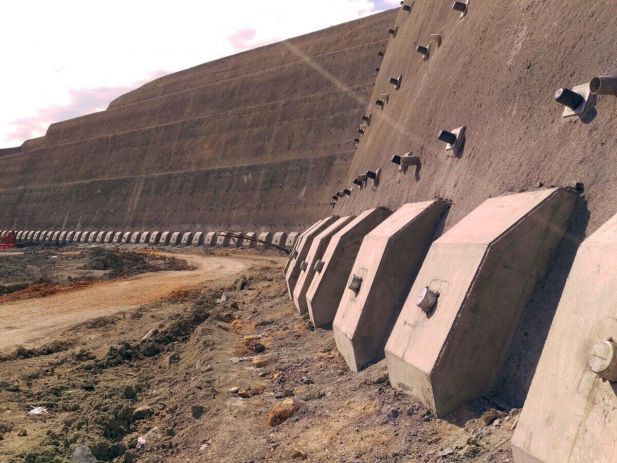
Diaphragm wall support uses a continuous reinforced concrete wall that provides both load-bearing and anti-seepage functions. It is suitable for ultra-deep foundation pits, complex geological conditions, and projects with strict deformation control requirements.
Steel strands are mainly used as the core load-bearing components of anchors or prestressed soil nails in diaphragm wall support. By applying prestress, they provide lateral restraint to the diaphragm wall, balancing the earth pressure and water pressure outside the wall, thereby improving the overall stability of the support structure.
Anti-floating Anchor Cables
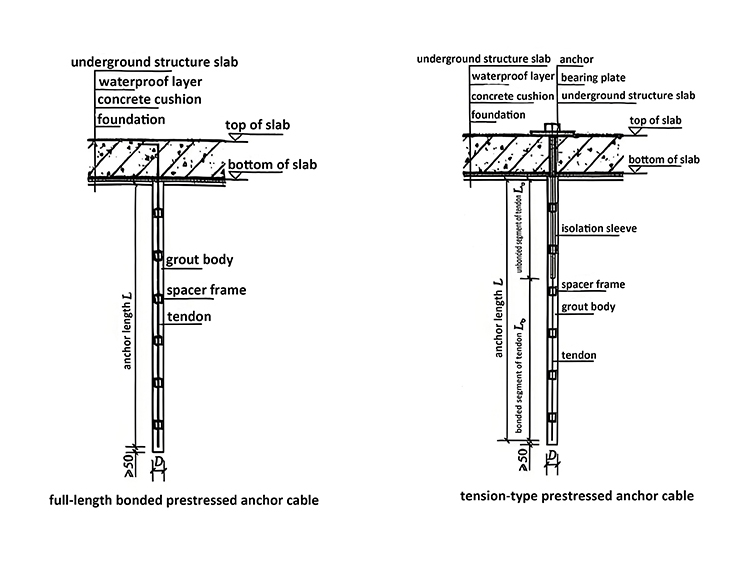
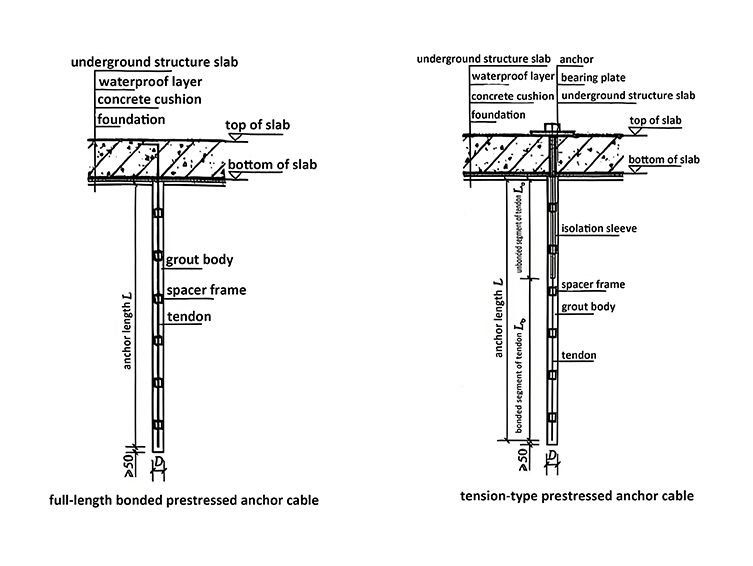
When structures such as basements and tunnels are located below the groundwater level, groundwater buoyancy may cause upward floating. Therefore, anti-floating anchor cables are installed under the floor slab. These cables generate uplift resistance through the bond between the anchor solid and the soil or rock layer, thereby preventing the underground structure from floating.
Anchored Soldier Pile Support
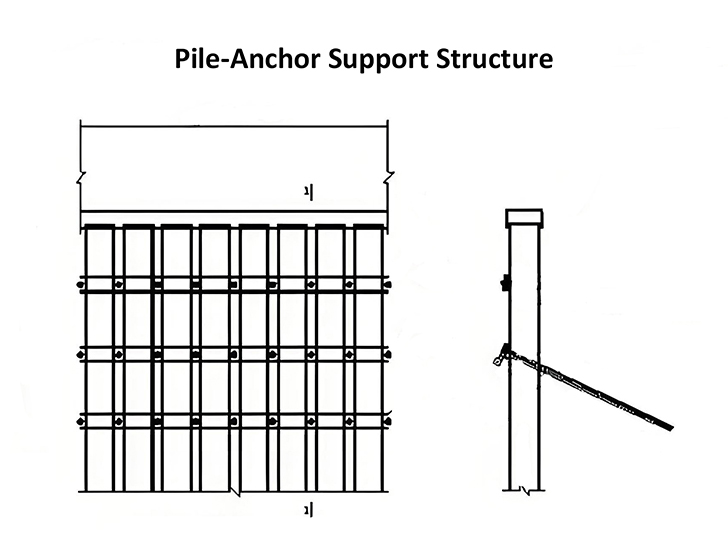
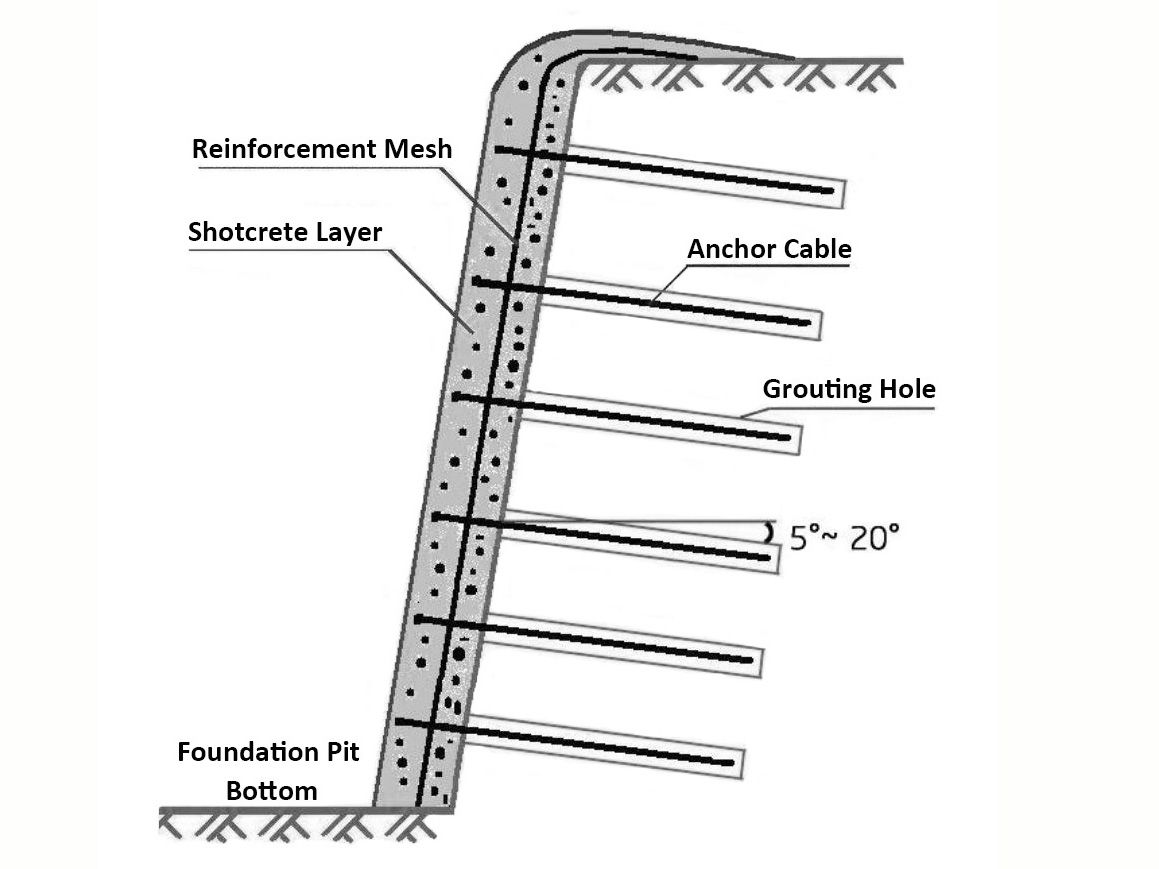
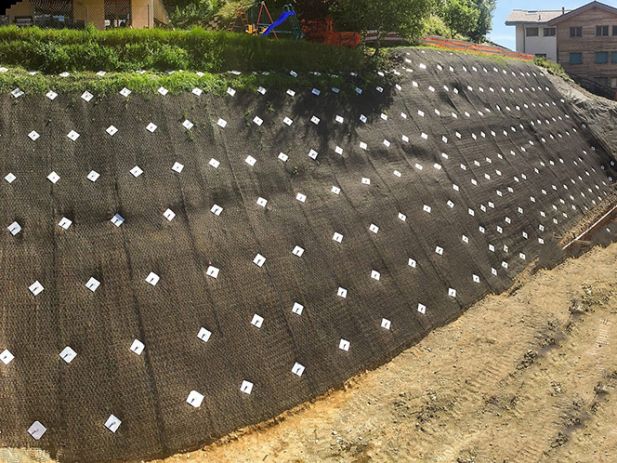
Anchored soldier pile support involves anchoring high-strength steel strands in deep stable soil or rock layers through drilling. After tensioning, a prestressed system is formed, which effectively controls foundation pit deformation and enhances soil stability. This system is often used in combination with soldier piles, diaphragm walls, etc., to form a composite support structure that achieves retaining, water-proofing, deformation control, and environmental protection.
USE
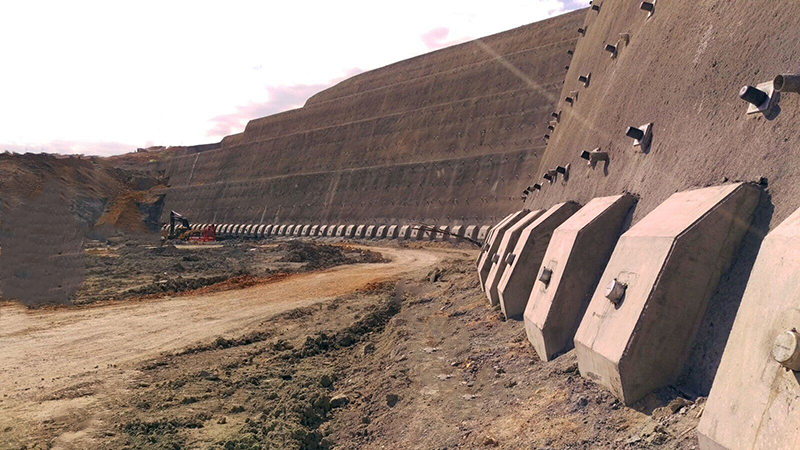
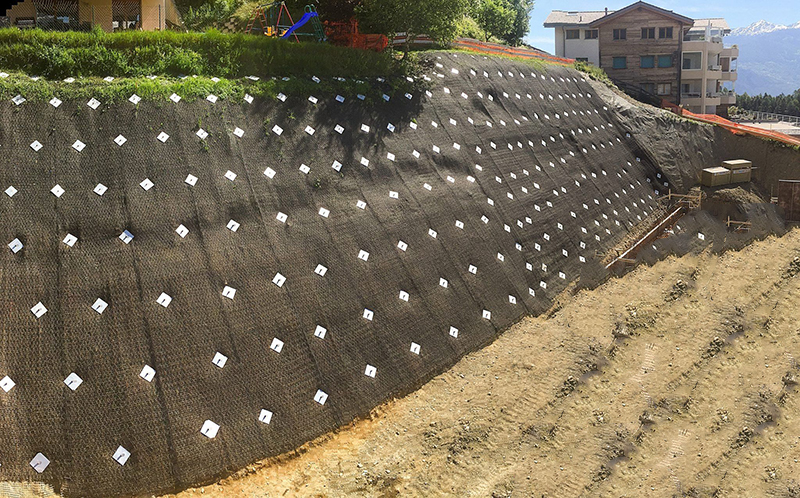
Foundation pit support systems are primarily used in various downward excavation projects to ensure the stability of the excavation and the safety of the surrounding environment during construction. Common applications include building basements, metro stations, underground utility tunnels, bridge foundations, sewage treatment facilities, and industrial plant substructures. Whether for deep excavations in city centers or projects adjacent to buildings, roads, and pipelines that require protection, the appropriate support method—such as pile-anchor support, diaphragm walls, sheet piles, soil nailing walls, or internal bracing systems—must be selected based on geological conditions, excavation depth, and environmental requirements.
SPECIFICATIONS
Diaphragm Wall Support
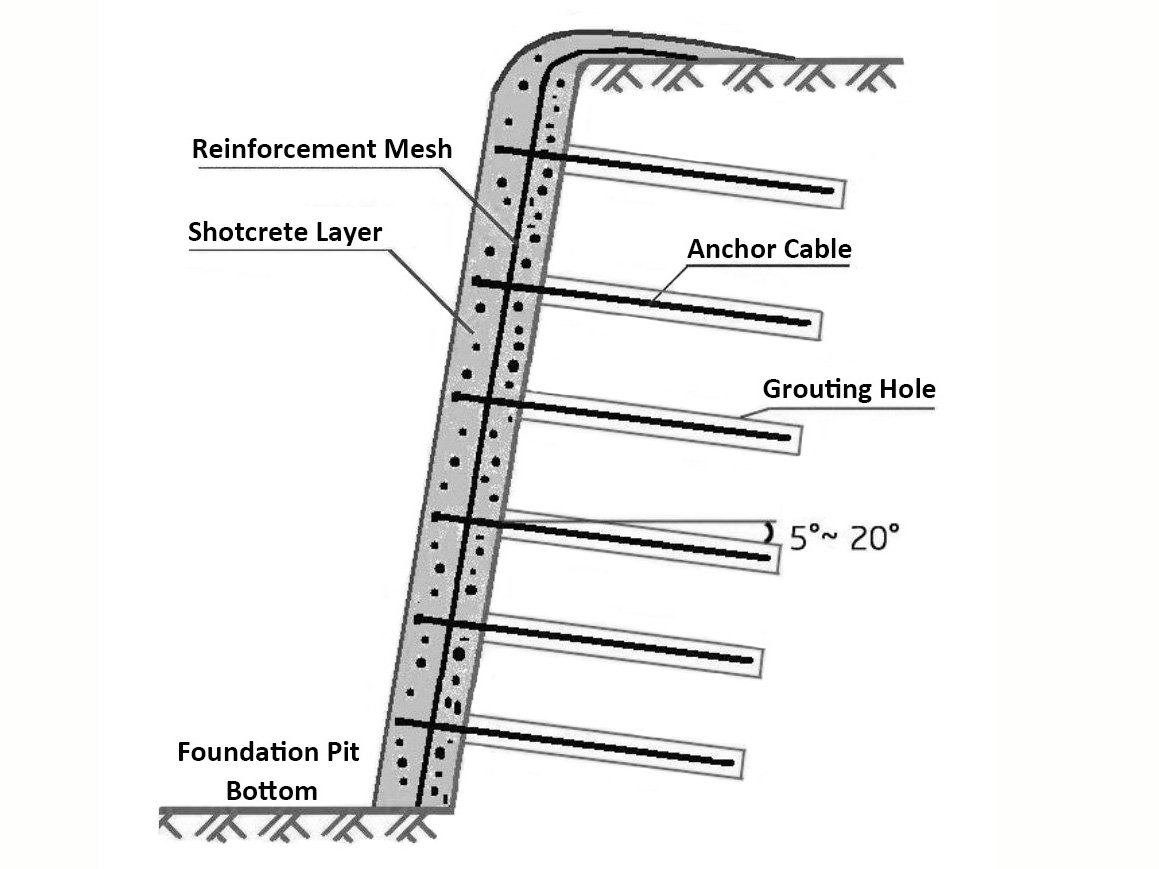
Mechanism of Anchor Cables:
- Load transfer: One end of the steel strand is connected to the diaphragm wall (via a waist beam or crown beam), and the other end is anchored in deep stable strata, transferring lateral forces from the wall to the stable soil and reducing wall deformation.
- Prestress application: Active control of wall displacement is achieved through pre-tensioning, making it suitable for projects sensitive to surrounding deformation. Excavation of the next soil layer is usually carried out after locking.
- Synergistic force: Forms a composite support system with the diaphragm wall. Steel strands provide uplift resistance, while the wall bears bending moments, jointly resisting external loads. Suitable for deep foundation pits and complex geological conditions.
- Recyclable technology: New recyclable steel strands can be recovered after the support is completed, avoiding obstacles to subsequent underground construction and improving economic efficiency and environmental friendliness.
Anti-floating Anchor Cables
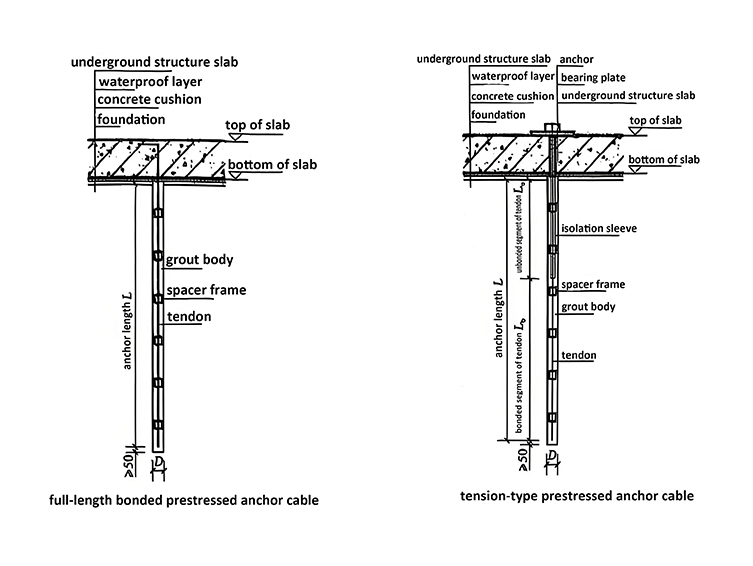
Key Construction Points:
- Basic anchor tests must be conducted to determine the bond strength between the anchor solid and the soil/rock layer.
- Hole positioning deviation should not exceed 20mm to ensure the anchors are arranged neatly. - Drilling verticality deviation should not exceed 3% of the hole depth to avoid reducing anchoring effectiveness.
- Grouting must be full and dense to ensure the strength of the anchor solid.
Anchored Soldier Pile Support
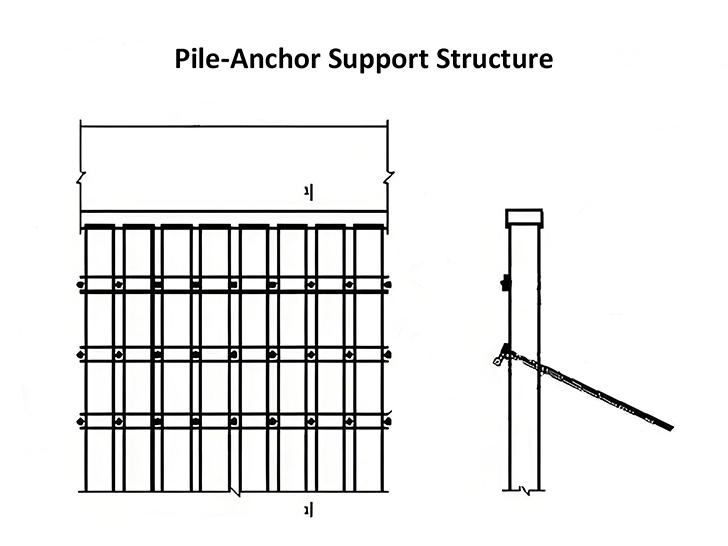
Anchored soldier pile support consists of soldier piles, a crown beam, waist beams, and anchor cables. It features high stiffness, strong displacement control capability, and a wide range of applications. It is suitable for medium-deep foundation pits and projects with high deformation control requirements.
PACKAGE
Packaging:
1) All the products are packed with seaworthy packing.
2) Customer's special requirement for packing can be satisfied.
3) Air freight, sea freight and truck freight are all available.
RELATED PRODUCTS

Yuanxian High-tech Material is a company serving a worldwide customers base providing innovative and reliable product solution that recognizes the value of customer care.
+86 180 2006 1362
Haitai Huake Third Road No.1, Huayuan Industrial Zone, Binhai High Tech Zone, Tianjin, china
Quick Links
Product Category

Request a Quote
Welcome to subscribe toour email message!

Send a Message