EN
Jun. 18, 2026
As we all know, 82B high-carbon wire rod is a primary raw material for producing prestressed steel strands and steel wires, widely used in various infrastructure projects. This type of steel possesses relatively high strength and hardness; following hot rolling and cooling, a dense oxide layer—composed of ferrous oxide (FeO) and ferric oxide (Fe₂O₃)—forms on the surface, accompanied by impurities such as rust spots and oil stains.
Failure to thoroughly remove these impurities directly interferes with subsequent processing steps such as wire drawing and cold heading; this not only results in finished products failing to meet quality standards but also accelerates mold wear, making the precise removal of the oxide layer a crucial stage in production.
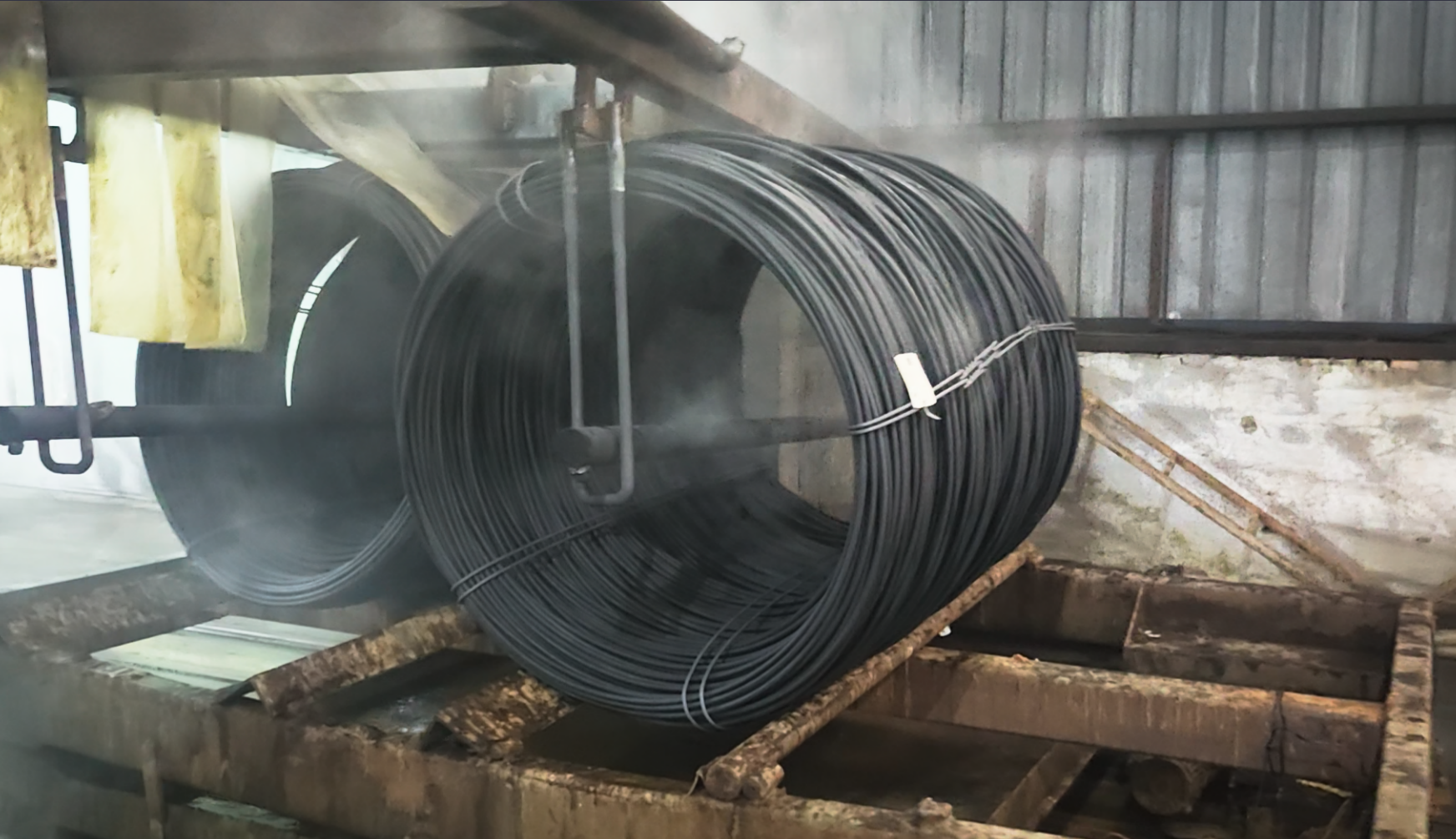
Pickling and phosphating is a mature and mainstream surface treatment process for wire rods. By combining the steps of removing rust through pickling and forming a protective film through phosphating, it thoroughly eliminates surface defects and lays a solid foundation for subsequent processing.
Many manufacturers currently opt for physical rust removal processes to cut costs and streamline workflows. However, in actual production, methods such as wire brushing and abrasive belt grinding only remove surface rust; they fail to eliminate the dense, tightly adherent mill rust and deep-seated corrosion, potentially compromising product quality over the long term.
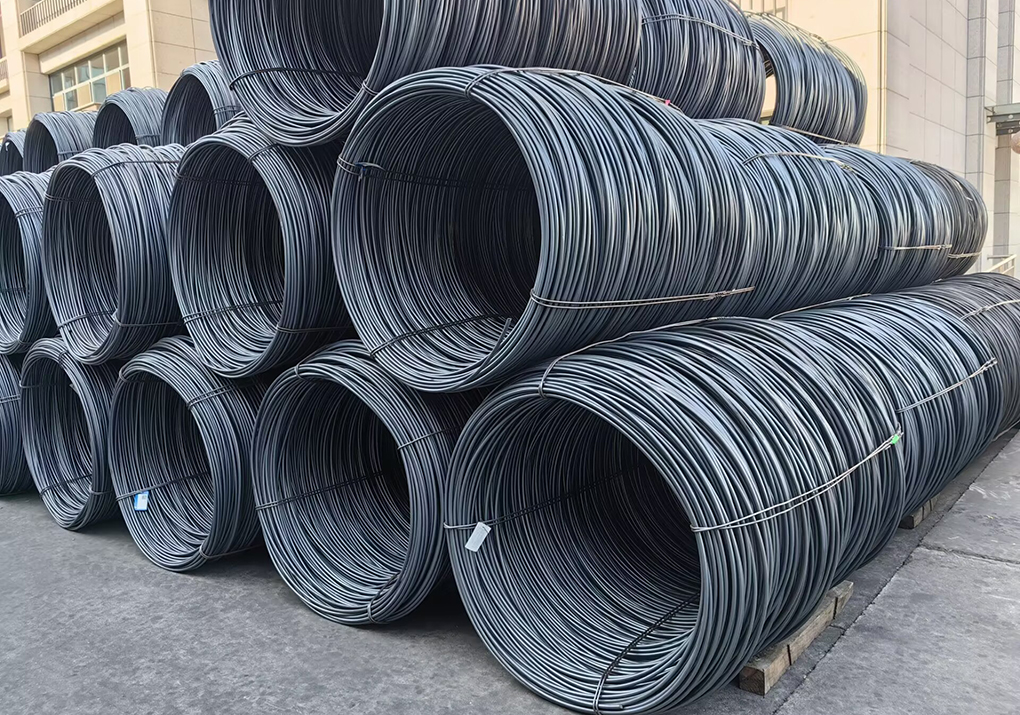
Main Rust Removal Methods:
| Method | Trend | Description |
| Pickling + Phosphating | Remains the mainstream | Hydrochloric/sulfuric acid to remove rust → Phosphating solution to form a base coating, preparing for wire drawing. |
| Mechanical Derusting | Replacing pickling | Repeated bending to remove 85% of rust + steel brush/abrasive belt grinding + high-pressure air blow-off. |
82B wire rods treated via standardized pickling and phosphating feature a smooth, clean surface free of rust and mechanical damage, with uniform coloration throughout the strand; they meet general industry quality standards as well as the rigorous requirements of overseas projects, making them suitable for a wide range of market applications.
In contrast, wire rods processed via physical descaling typically exhibit a rough, matte surface and uneven coloration, often retaining residual rust and lacking overall substrate uniformity. Due to inherent process limitations, physical derusting suffers from unavoidable shortcomings regarding derusting cleanliness, lubrication stability, and product consistency, rendering it unable to replace the pickling and phosphating process.
For high-carbon, hard-grade wire rods such as 82B, compliant pickling and phosphating remains the core process for deep processing—offering the greatest stability and suitability while best aligning with market demands.
I. Advantages of Pickling and Phosphating
There are significant differences between mechanical derusting and the pickling-phosphating process, particularly regarding surface cleanliness, the formation of processing-compatible coating layers, and the mechanical stability of the finished product.
1. Thoroughly Remove Surface Impurities to Ensure a Clean Substrate.
The oxide rust on the surface of the wire rod is hard and strongly bonded to the substrate, making it difficult to remove via standard physical cleaning methods. Pickling utilizes hydrochloric or sulfuric acid at concentrations of 10%–25% to chemically dissolve oxide rust, and oil, revealing the clean, natural metallic surface of the rod and achieving a rust removal rate of up to 98%. Following the reaction, multiple water rinsing stages are employed to completely eliminate residual acid and reaction by-products, preventing the carry-over of impurities into subsequent processing steps.
However, physical descaling methods can only remove surface rust from the wire rod; they fail to eliminate mill rust and deep-seated rust hidden within crevices. This leads to wire breakage during subsequent drawing processes, causes die wear, increases the scrap rate, and disrupts production.
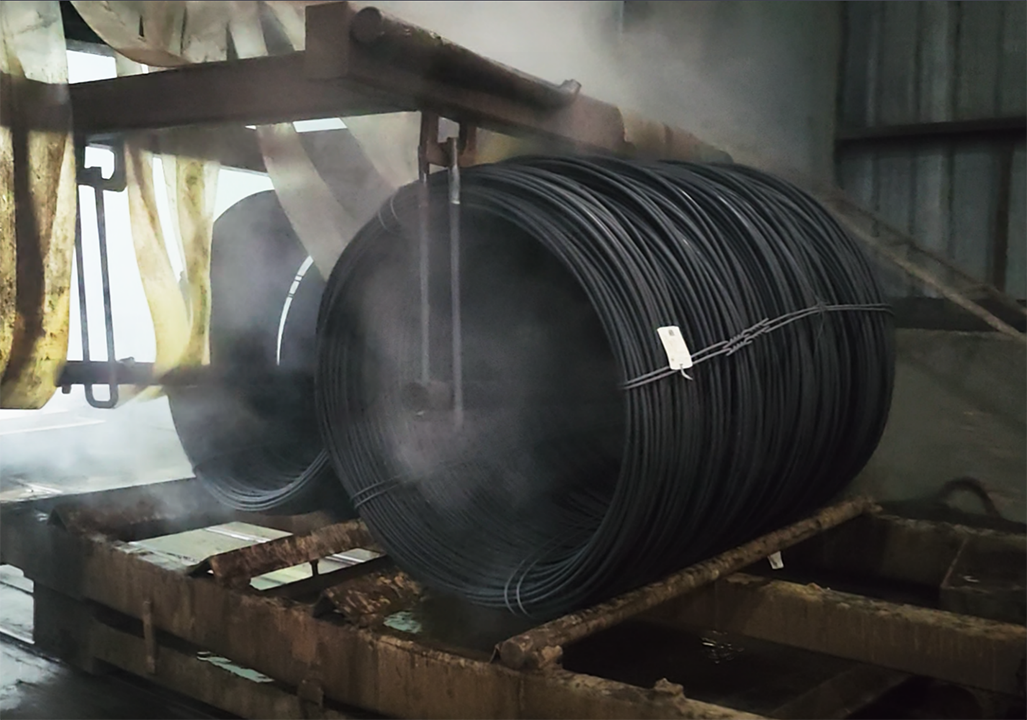
2. Formation of A Dense Phosphating Film to Enhance Processing Suitability.
Phosphating is a critical step following pickling; clean wire rods are immersed in a zinc or manganese phosphate solution, where a chemical reaction generates a dense phosphate film (such as Zn₂Fe(PO₄)₂· 4H₂O) measuring 10–15 micrometers in thickness, thereby providing essential performance support for subsequent processing. In contrast, mechanical descaling lacks a film-forming stage and cannot create a functional protective coating.
Key Characteristics of the Phosphating Coating:
- Basic Corrosion Resistance: Isolates the metal substrate from air and moisture, providing short-term rust protection and preventing the recurrence of rust.
- Strong Adsorption: The porous structure of the coating firmly adsorbs lubricants (such as metal soaps), creating a "phosphating coating + lubricant layer" composite lubrication system suitable for cold-working processes.
- Low Coefficient of Friction: With a friction coefficient of approximately 0.05, it significantly reduces friction during drawing and cold heading, minimizes die wear, and prevents surface scratching on the product.
After pickling and phosphating, the surface of the wire rod exhibits a uniform, smooth metallic luster; the phosphate coating is chemically bonded to the substrate, forming a dense and stable structure that prevents issues such as coating agglomeration or peeling. This uniformity and adhesion are crucial for ensuring consistent performance during subsequent wire drawing.
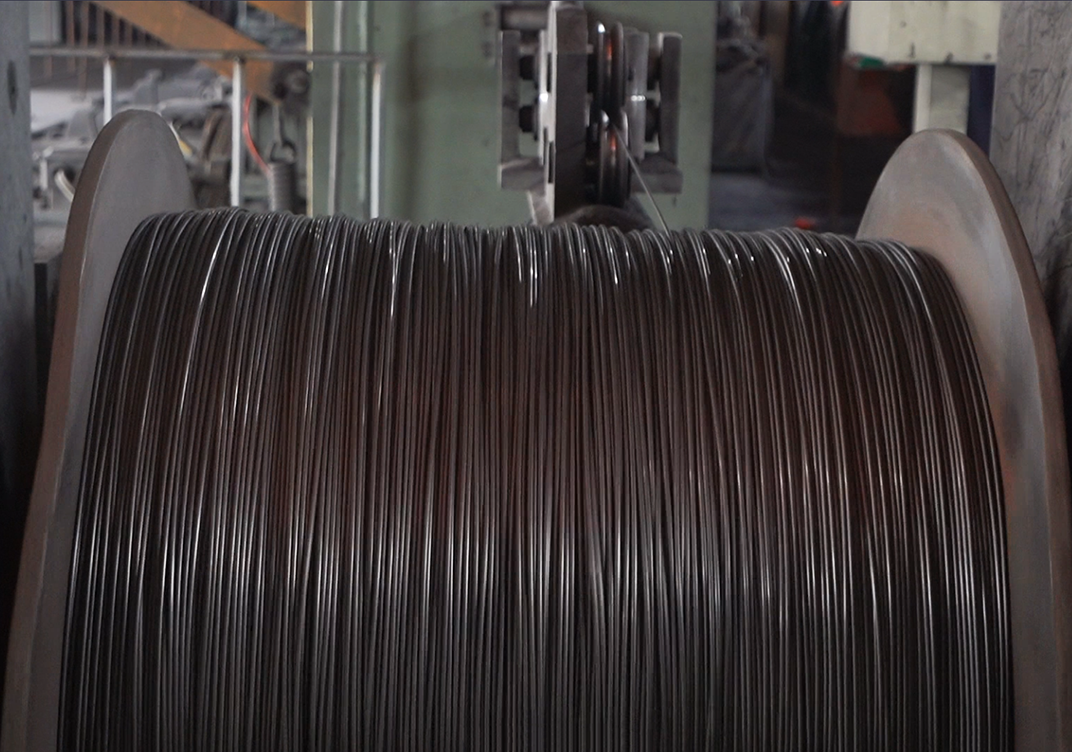
3. Mitigating Processing Risks and Stabilizing Mechanical Properties.
For wire rods that have undergone physical descaling, residual deep-seated rust can cause stress concentrations during drawing, leading to surface cracks or wire breakage; in contrast, a phosphate coating uniformly distributes processing stresses, thereby reducing the risk of cracking. Furthermore, while pickling removes the surface oxide layer, the phosphate coating acts as a buffer against processing impact, ensuring the stability of mechanical properties—such as tensile strength and reduction of area—following the wire drawing process.
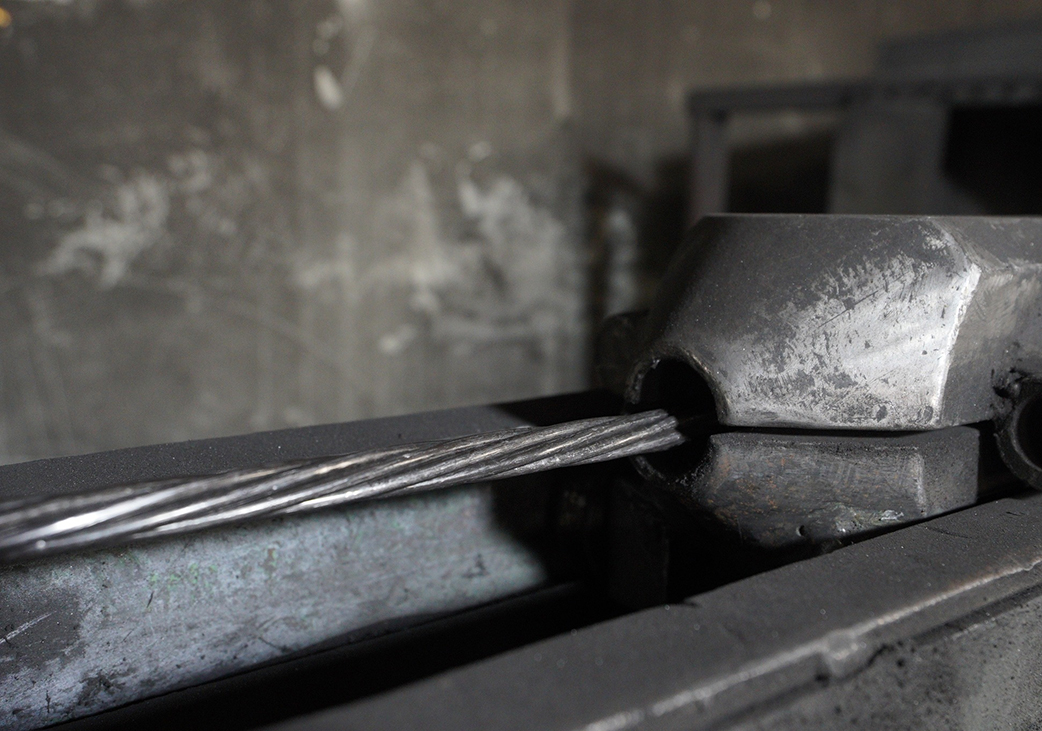
4. Meets US standards for bond strength and enhances steel strand bonding performance.
The dense phosphating coating protects the steel strand substrate, providing short-term rust resistance and preventing re-rusting without the need for additional oiling. It also strengthens the bond between the steel strand and the concrete, effectively inhibiting interfacial slip, with overall bond performance fully compliant with US ASTM standards.
Based on bond strength tests conducted in accordance with ASTM A981 and ASTM A1081, acceptance is determined by the tensile force measured when the free end of the steel strand reaches a specified slip distance:
· ASTM A981 (Ground Anchor, 15.24 mm): Measured at 0.01 in slip; minimum acceptance threshold: 8,000 lbf;
· ASTM A1081 (Pre-tensioning, 12.70 mm): Measured at 0.1 in slip; minimum acceptance threshold: 14,000 lbf;
Actual test results from batch sampling of our Grade 1860 steel strands:
1. For Φ15.24 mm steel strands (ASTM A981 compliant), the measured tensile force at 0.01 in slip consistently exceeded 8,000 lbf;
2. For Φ12.70 mm steel strands (ASTM A1081 compliant), the measured tensile force at 0.1 in slip consistently exceeded 14,000 lbf.
Note: The actual performance of both product specifications exceeds the minimum standard limits. This superior performance is attributed to the phosphated coating, which creates a dual interlocking structure—combining chemical bonding and mechanical interlock—with the concrete. This effectively restricts strand slippage, thereby preventing load-induced cracking in concrete components and debonding at the interface.
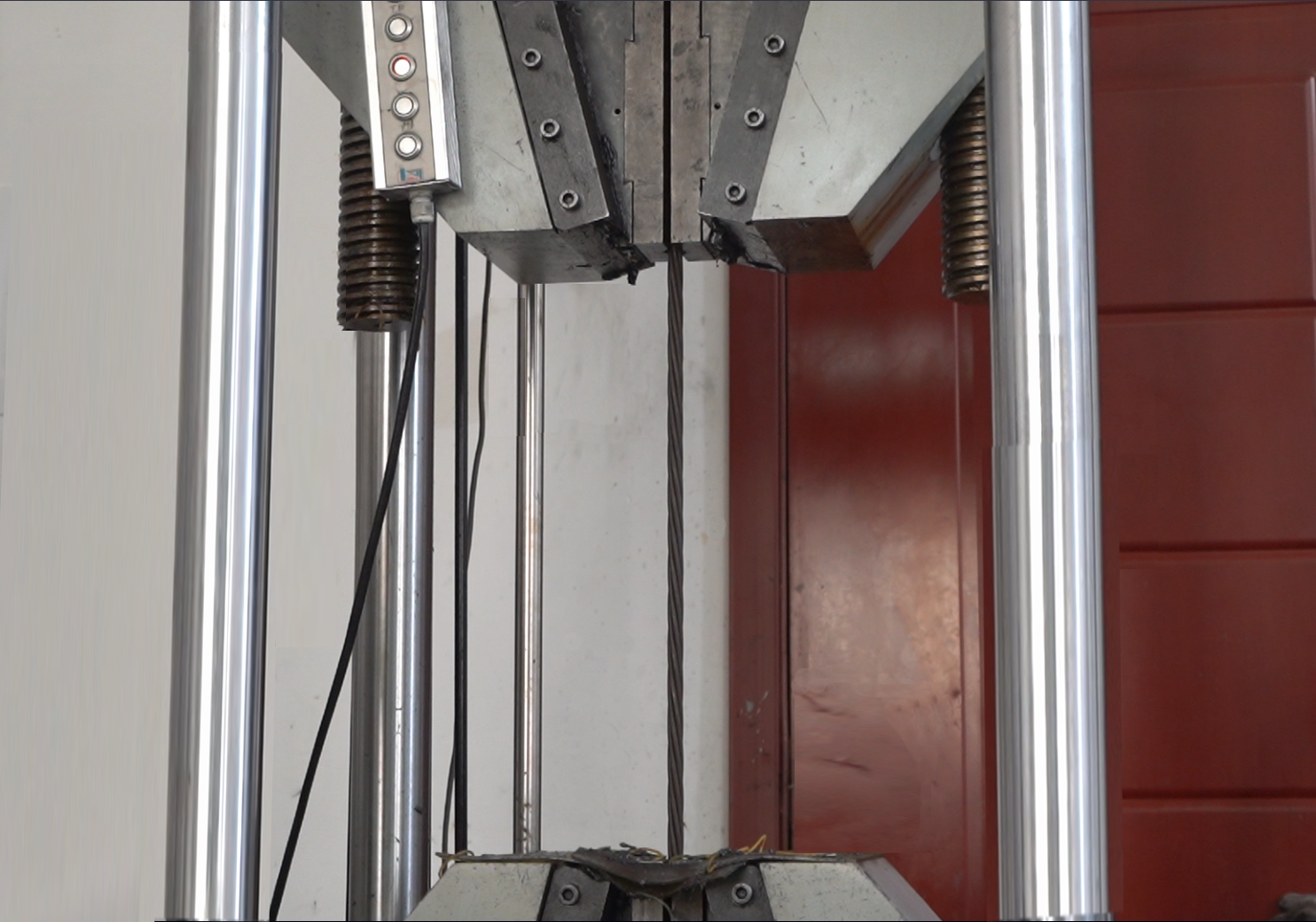
Standardized pickling and phosphating processes produce a thin, dense phosphate coating, which is the key factor in achieving the required bond strength:
- The phosphate coating is covered with microscopic pores; the hydrating cement paste penetrates these channels, allowing the cement gel and phosphate crystals to interlock and form a high-strength chemical bond.
- After pickling, the substrate is clean and free of rust layers, enabling direct contact between the cement paste and the metal base; the coating’s inherent microscopic surface texture further enhances mechanical interlocking, ensuring there are no barrier layers to impede adhesion.
- ASTM A981 and A1081 standards explicitly require the retention of the steel's original mill-finish surface and prohibit abrasive rust removal; our factory-applied phosphate finish perfectly replicates actual field application conditions, ensuring the test results are highly relevant and reliable.
Steel strands treated with pickling and phosphating form a strong bond with concrete; the absence of rust layers on the base material eliminates—at the source—risks such as voids and debonding caused by loose rust. In contrast, steel treated only with mechanical derusting is prone to residual loose rust that forms an intervening layer, significantly weakening the bond strength with concrete and creating potential safety hazards for the project.
Summary
The core value of the pickling and phosphating process lies in its ability to thoroughly remove various types of rust and impurities from the surface of wire rods while simultaneously forming a functional phosphate coating optimized for cold working. It represents the optimal process choice for balancing impurity removal, processing performance, production costs, and the requirements of large-scale manufacturing.
Welcome to inquiries for quotations on products such as steel strands, steel wires, and anchorages, and cordially invite you to visit our facility for an on-site inspection. We look forward to the possibility of a partnership.
Why Do 82B Wire Rods Undergo Pickling and Phosphating (II) ?
The influence of drawing process on the performance of PC steel wire(Ⅱ)
HOT PRODUCTS

Yuanxian High-tech Material is a company serving a worldwide customers base providing innovative and reliable product solution that recognizes the value of customer care.
+86 180 2006 1362
Haitai Huake Third Road No.1, Huayuan Industrial Zone, Binhai High Tech Zone, Tianjin, china
Quick Links
Product Category

Request a Quote
Welcome to subscribe toour email message!

Send a Message