EN
Jun. 25, 2026
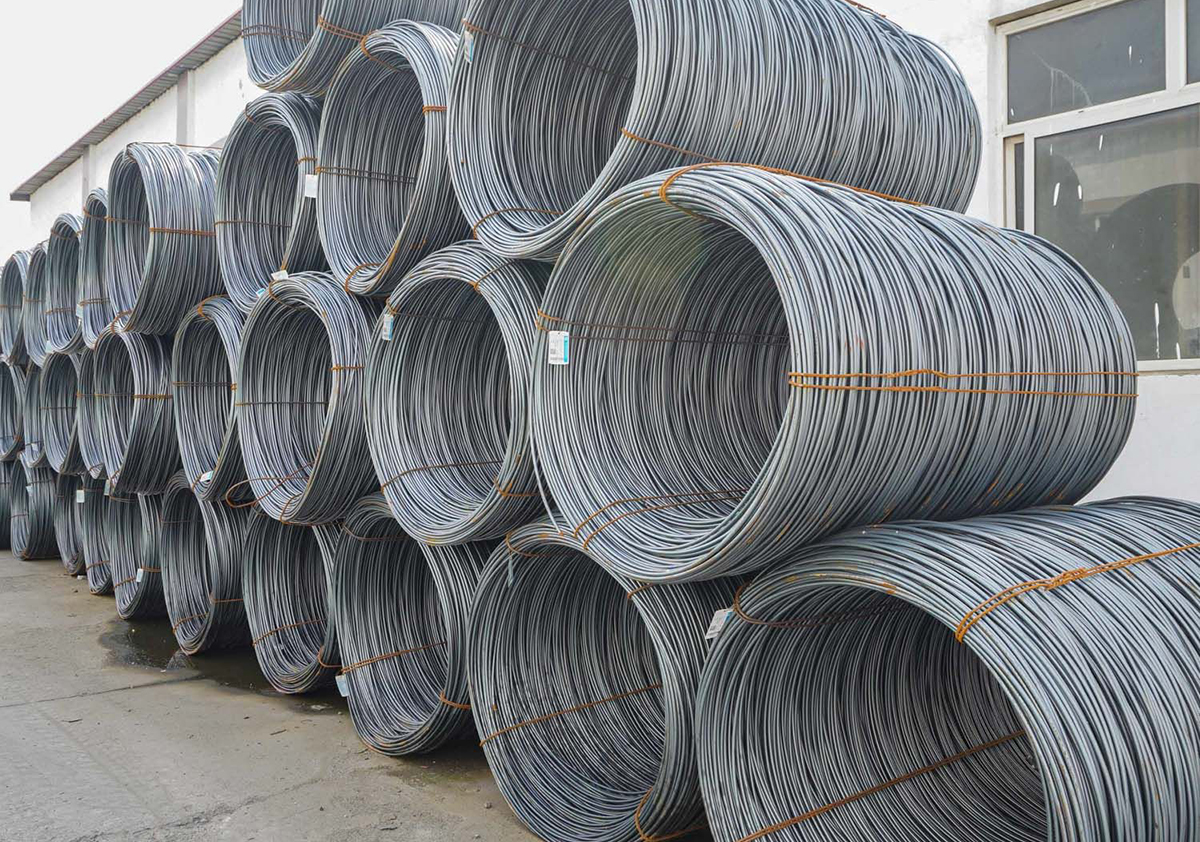
Pickling and phosphating is a mature and mainstream surface treatment process for wire rods. By combining the steps of removing rust through pickling and forming a protective film through phosphating, it thoroughly eliminates surface defects and lays a solid foundation for subsequent processing.
Many manufacturers currently opt for physical rust removal processes to cut costs and streamline workflows. However, in actual production, methods such as wire brushing and abrasive belt grinding only remove surface rust; they fail to eliminate the dense, tightly adherent mill rust and deep-seated corrosion, potentially compromising product quality over the long term.
II. Comparison of Pickling-Phosphating and Mechanical Derusting
Comparison of rust removal methods: Pickling-Phosphating vs. Mechanical Derusting (No Pickling)
(Context: Surface treatment of 82B wire rod prior to drawing; core objectives are rust removal and establishing a lubrication base for the drawing process)
| Comparison Item | Pickling + Phosphating (Traditional Standard) | Mechanical Derusting (No Pickling) |
| Principle | Hydrochloric/sulfuric acid dissolves rust → Phosphating solution forms a crystalline coating | Repeated bending to break rust + steel brush/abrasive belt grinding + high-pressure air blow-off |
| Rust Removal Rate | ≥98% (very thorough) | Approx. 85%–92% (minor residue requires follow-up treatment) |
| Phosphating Coating | Yes (manganese or zinc-based); crucial for drawing | No; relies on soap solution or drawing oil for lubrication |
| Equipment | Moderate (pickling tank + phosphating tank + wastewater treatment) | Lower (bending machine + brushing/grinding + air blow-off + automation controls) |
| Impact on Wire Breakage | Stable; mature phosphating + soap lubrication process results in low breakage rates | Slightly higher (no phosphating coating; lubrication relies on drawing oil) |
| Process Speed | Fast (continuous flow; matches production line speed) | Slower (requires multiple mechanical steps) |
| Bonding with concrete | Strong; the phosphated surface is covered with microscopic pores, enhancing adhesion | Weak; surface loose rust forms a barrier layer, reducing adhesion |
Summary
The core value of the pickling and phosphating process lies in its ability to thoroughly remove various types of rust and impurities from the surface of wire rods while simultaneously forming a functional phosphate coating optimized for cold working. It represents the optimal process choice for balancing impurity removal, processing performance, production costs, and the requirements of large-scale manufacturing. Compared to physical derusting methods, pickling and phosphating offers significant advantages in terms of the thoroughness of impurity removal, lubrication stability, rust prevention, and the assurance of mechanical properties, making it better suited for large-scale industrial application.
Thus, pickling and phosphating constitute not only the standard surface treatment process for wire rods but also a critical step for ensuring the smooth execution of subsequent drawing operations and enhancing the quality and service life of prestressed products.
As a one-stop supplier of a comprehensive range of prestressing products, we place great importance on this fundamental process; we strictly control chemical formulations and oversee every stage of production to ensure consistent quality from the very source. We welcome inquiries for quotations on products such as prestressed steel strands, steel wires, and anchorages, and cordially invite you to visit our facility for an on-site inspection. We look forward to the possibility of a partnership.
HOT PRODUCTS

Yuanxian High-tech Material is a company serving a worldwide customers base providing innovative and reliable product solution that recognizes the value of customer care.
+86 180 2006 1362
Haitai Huake Third Road No.1, Huayuan Industrial Zone, Binhai High Tech Zone, Tianjin, china
Quick Links
Product Category

Request a Quote
Welcome to subscribe toour email message!

Send a Message