EN
Apr. 17, 2026
Hydrogen embrittlement refers to the phenomenon that hydrogen atoms penetrate into metals, resulting in significant degradation of material plasticity and toughness as well as delayed fracture. In the production and application of high-carbon steel wire rods, prestressed steel wires and steel strands, hydrogen embrittlement is a critical hidden danger affecting product quality, structural safety and service life.
It is also a material failure problem requiring key prevention and control in production processes. With strong concealment and no obvious signs before fracture, hydrogen embrittlement is regarded as one of
the most dangerous invisible damage forms for high-strength steel.
Ⅰ. Core Mechanism of Hydrogen Embrittlement
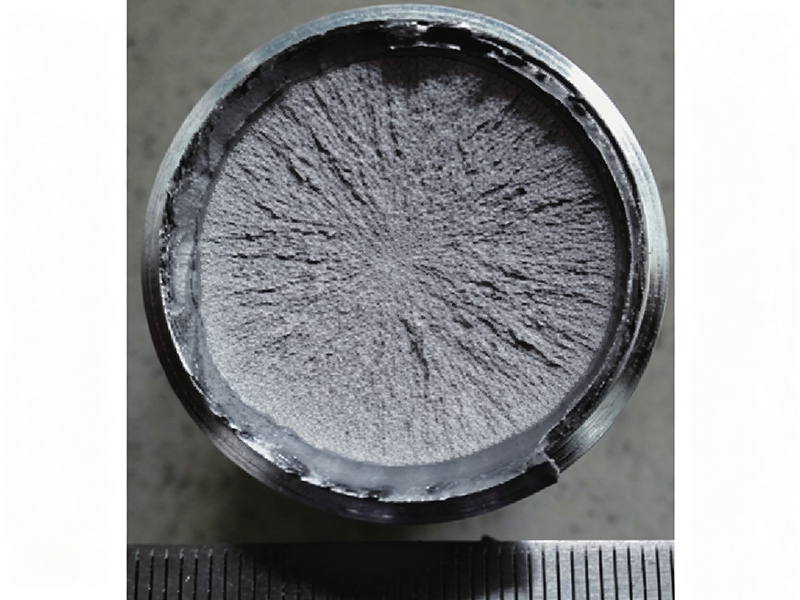
Hydrogen embrittlement essentially derives from the interaction between hydrogen atoms and internal metallic structures. With an extremely small size, hydrogen atoms easily penetrate into lattice gaps, grain boundaries and microcracks. These hydrogen atoms accumulate at defects and combine into hydrogen molecules, generating localized high stress. This weakens intergranular bonding force, transforming steel from a ductile-and-strength integrated state into a brittle state. As a result, sudden brittle fracture occurs without obvious plastic deformation under stress far below the designed strength.
To avoid such defects and guarantee product quality, all our products undergo hydrogen embrittlement tests, which evaluate the susceptibility of metallic materials to embrittlement and delayed fracture under high-hydrogen environments.
Ⅱ. Pre-test Treatment: Aging Period
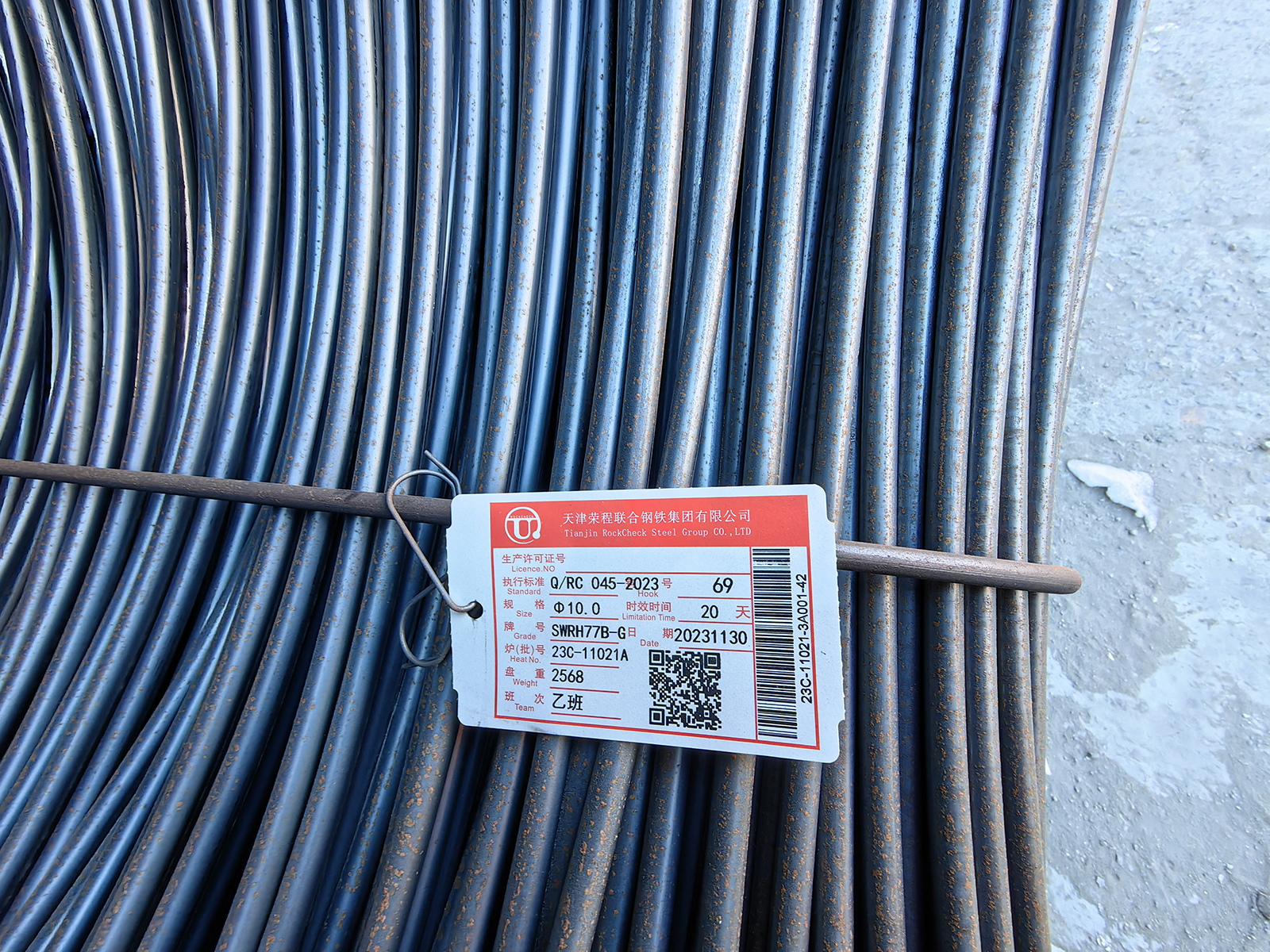
To ensure accurate test results, samples generally require a period of aging treatment before test. Its core function is to allow residual harmful hydrogen ions inside materials to fully escape, stabilizing the chemical composition and microstructural state of wire rods or steel wires.
Normally, the aging period lasts about 15 days in summer, and extends to around 30 days in cold winter. It enables full diffusion of hydrogen atoms, releases internal stress and stabilizes mechanical properties of wire rods. Testing conducted after effective aging treatment can truthfully reflect the hydrogen embrittlement resistance of materials.
Ⅲ. Hydrogen Embrittlement Test Method
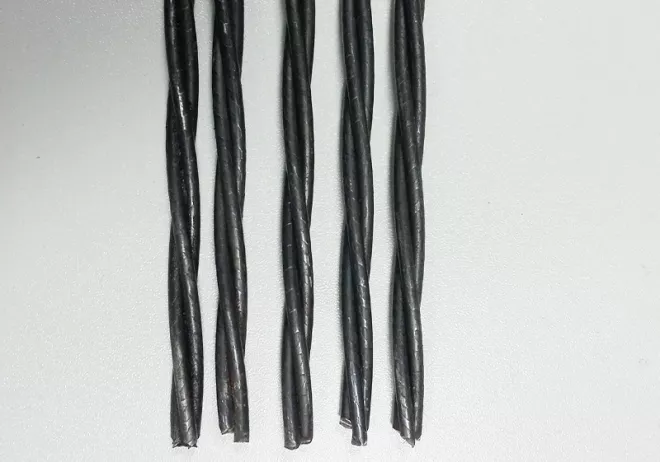
Taking the hydrogen embrittlement test of prestressed steel wire as an example, the test is implemented in accordance with standards including GB/T 5223 to simulate fracture risks of steel wires under high-hydrogen conditions.
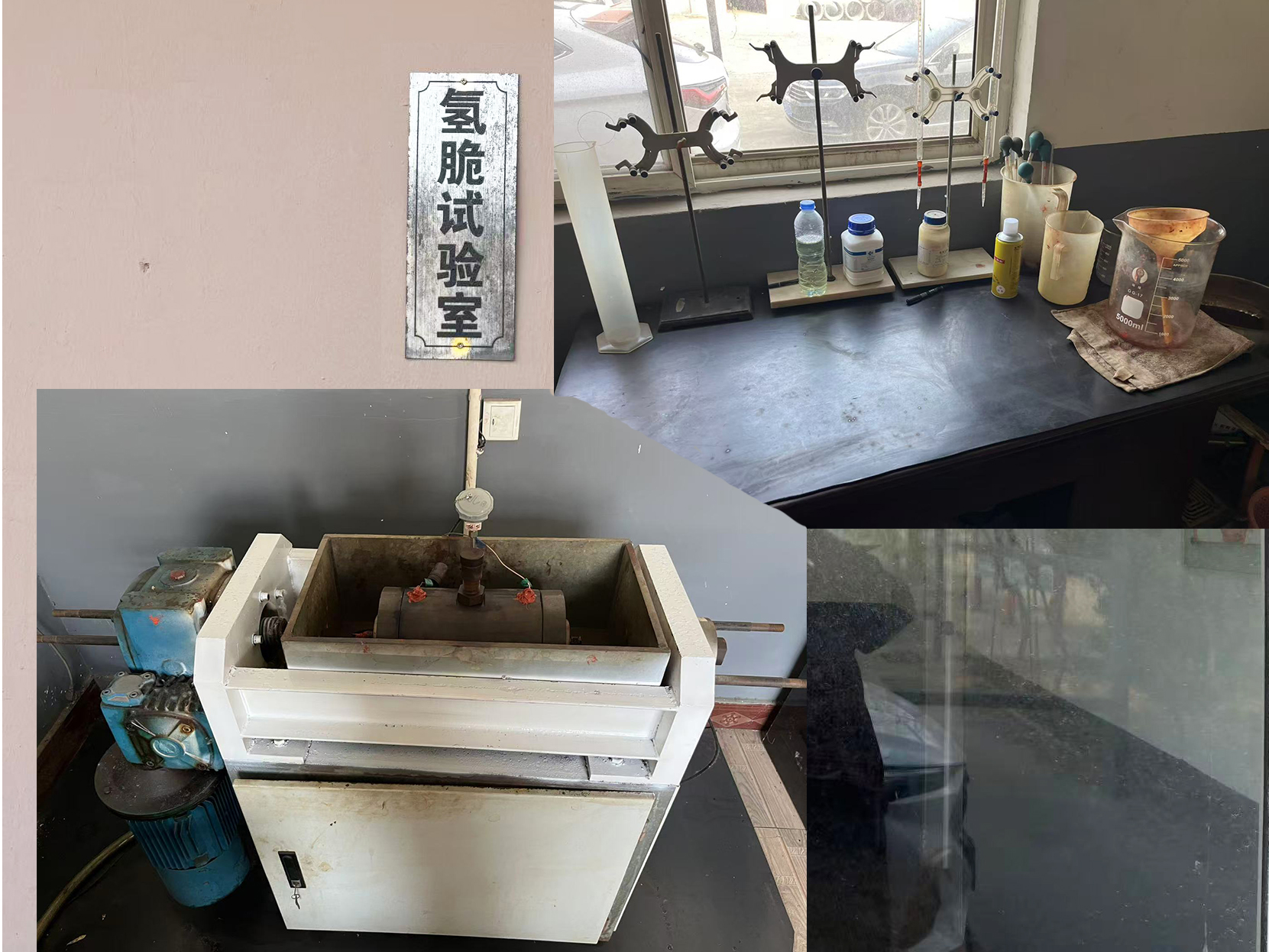
Our factory is equipped with a specialized hydrogen embrittlement laboratory and carries out strict testing per relevant codes.
Detailed requirements are as follows:
1. Sample preparation: Cut samples from wire coils of different heat numbers to meet the clamping distance of testing machine (generally no less than 1000mm).
2. Environment simulation: Immerse samples in ammonium thiocyanate (NH₄SCN) solution. The solution is nearly completely ionized in water to produce abundant hydrogen ions (H⁺), rapidly forming a high-hydrogen environment and simulating severe hydrogen embrittlement corrosion conditions.
3. Tensile loading: Maintain constant tensile stress on immersed samples, which is usually 70%±2% of nominal tensile strength of steel wire. Conduct continuous loading for 100 hours and record fracture time.
4. Qualification criteria: The total test duration is 100 hours. A single sample is qualified if its fracture time ≥75 hours. For samples with fracture time <75 hours, double sampling retest is allowed for the same heat number. The heat number is qualified only when all retested samples reach ≥75 hours; otherwise it is judged unqualified.
Ⅳ. Data Analysis of Test Report
For a batch of steel wires produced in our factory, samples are taken from 3 heat numbers with 3 samples per heat, in nominal diameters of 6.0mm and 7.0mm. Tests are carried out strictly in accordance with standard specifications. Test results are shown in the table below:
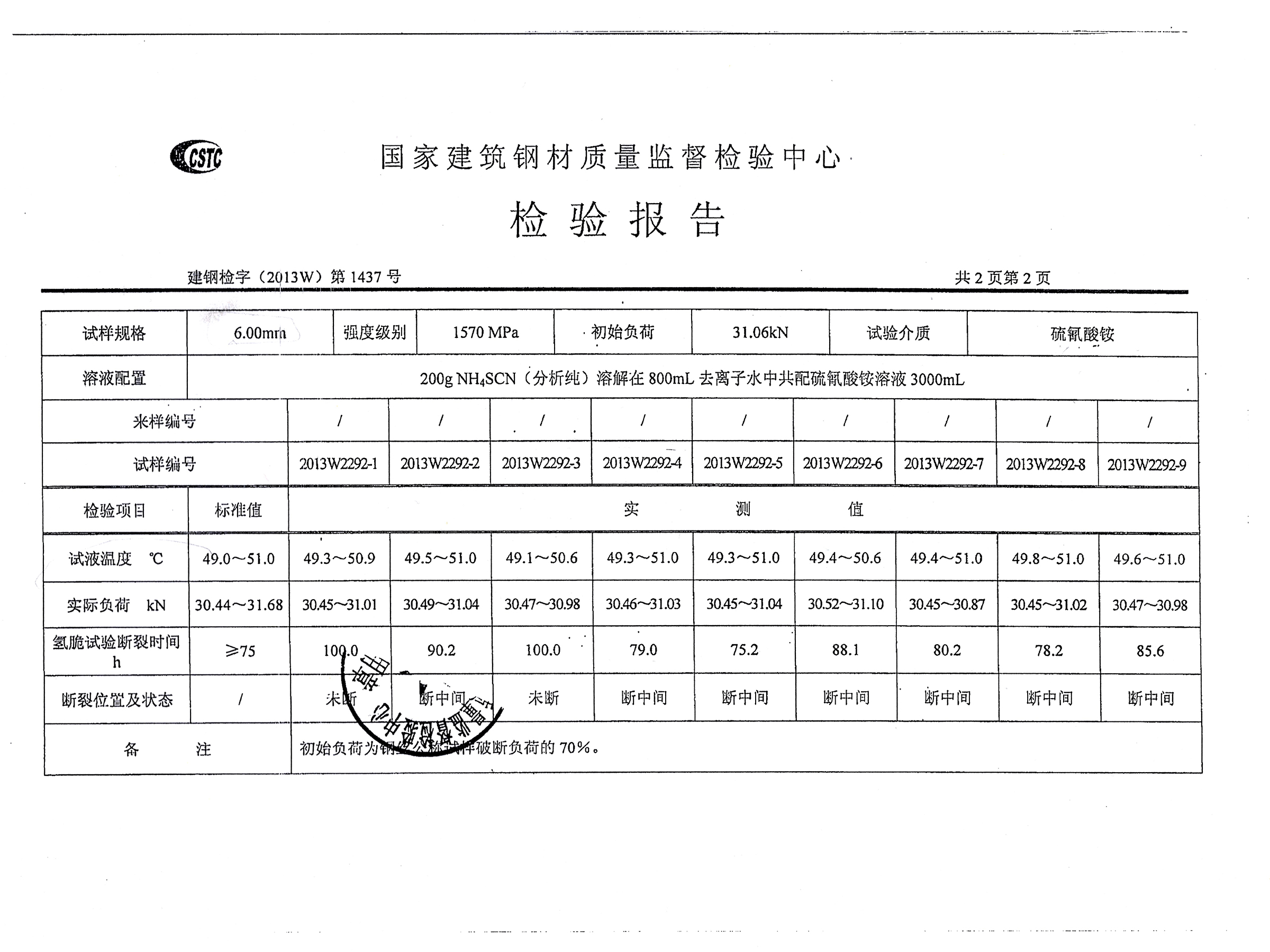
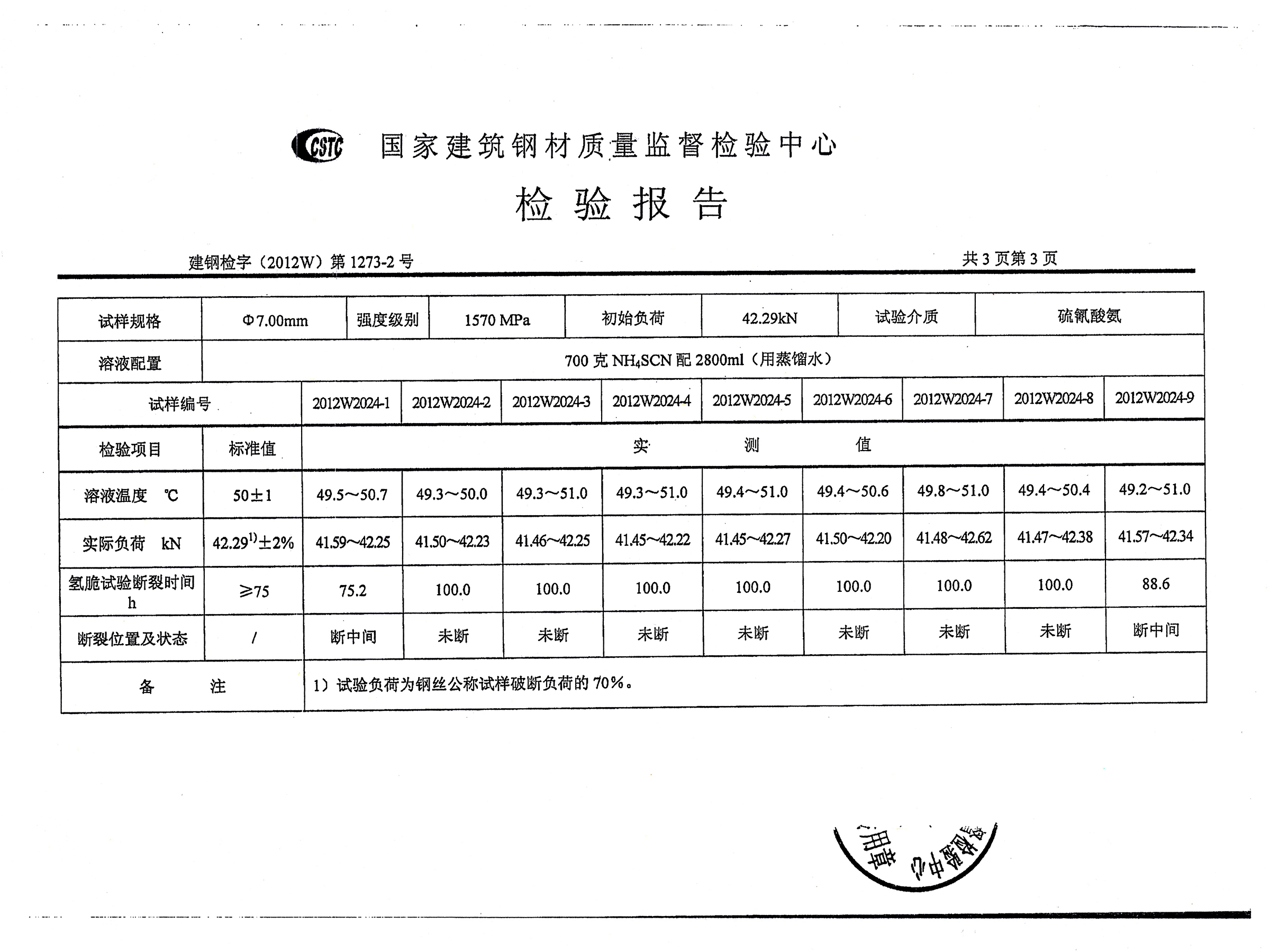
Result Analysis: Fracture time of all 9 samples in each batch exceeds 75 hours (minimum 75.2h, maximum over 100h). Partial samples remain unbroken after 100-hour test, so this batch passes hydrogen embrittlement inspection as required. Discrepancy among fracture duration (75.2h to over 100h) is related to internal microdefect distribution and surface condition. All data are above the qualified threshold of 75h, indicating stable hydrogen embrittlement resistance of this batch of steel wires.
Conclusion
Hydrogen embrittlement test simulates delayed fracture risks of finished prestressed steel wires under harsh working conditions, preventing unqualified products from entering the market and ensuring product quality and application safety. Longer hydrogen-induced fracture resistance time means higher engineering safety. Hydrogen embrittlement testing is a core procedure for quality control of wire rods and finished steel wires, as well as an important guarantee for structural safety of key projects including bridges and buildings.
What Are the Benefits of the Aging Period for High-Carbon Steel Wire Rod?
Effects of Winter Construction on Unbonded PC Steel Strand and Corresponding Solutions
HOT PRODUCTS

Yuanxian High-tech Material is a company serving a worldwide customers base providing innovative and reliable product solution that recognizes the value of customer care.
+86 180 2006 1362
Haitai Huake Third Road No.1, Huayuan Industrial Zone, Binhai High Tech Zone, Tianjin, china
Quick Links
Product Category

Request a Quote
Welcome to subscribe toour email message!

Send a Message