EN
Price And Market Trend
Oct. 29, 2026
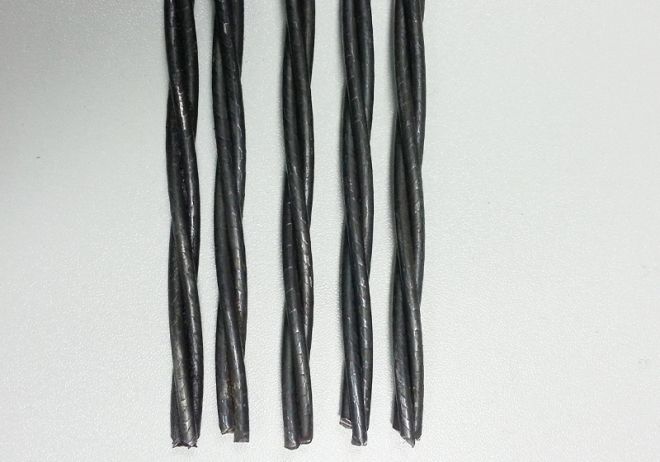
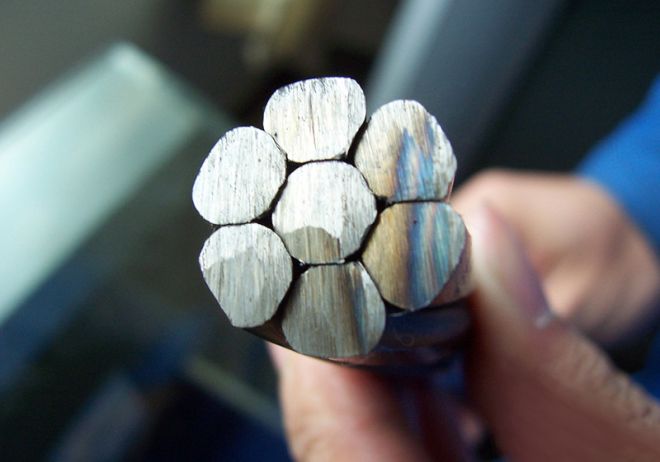
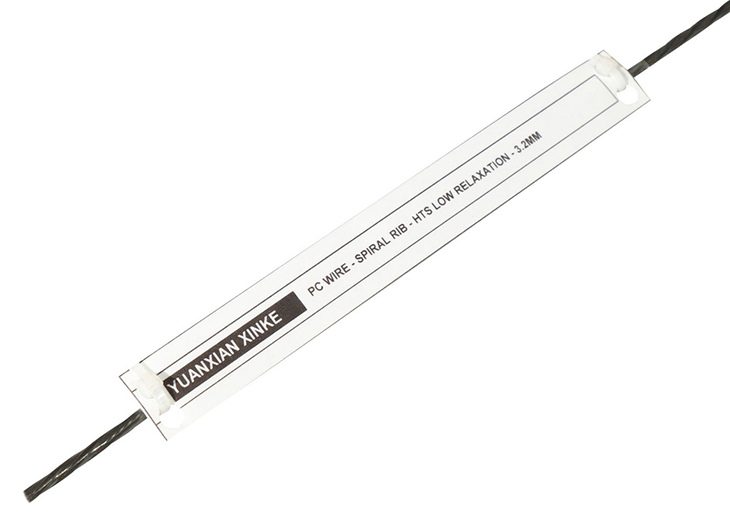
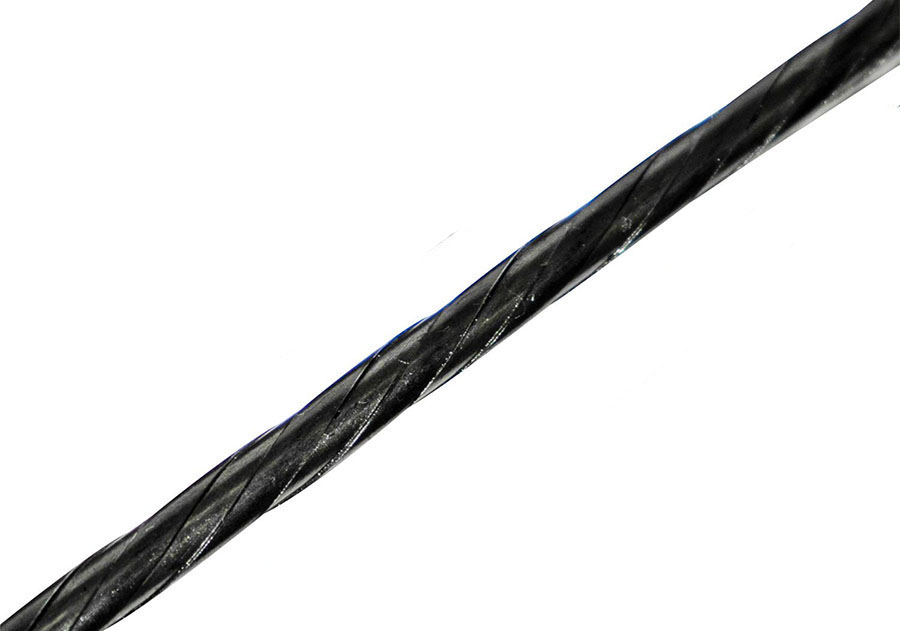
Pre-stressed concrete wire is classified by surface profile into three types: plain, spiral rib, and indented. Spiral rib wire features a helical rib on its circumference, which increases mechanical interlock with concrete while maintaining equal cross-sectional area at any point along its length; this yields uniform stress distribution across sections and superior bond-anchorage performance compared with plain wire. It is widely used in railway sleepers and track slabs, bridges, poles, piles, water conservancy works, and building components.
In recent years, as pre-stressed concrete structures move toward longer spans, heavier loads, and longer service lives, and as renewable energy projects expand rapidly, the category is undergoing a structural adjustment driven jointly by standards, materials, and application scenarios. The main trends are set out below.
1. Strength grades continue to rise, with performance indicators tightened across the board
The domestic mainstream strength grade remains 1860 MPa, while high-end applications such as high-speed rail track slabs have adopted 1860/1960 MPa as standard. At the technological frontier, 2000 MPa high-strength wire has completed R&D validation, and manufacturing technology for 2160–2360 MPa ultra-high-strength products has entered patent development, with the objective of raising strength while preserving toughness and stress-corrosion resistance. Correspondingly, tolerances for dimensions and permissible deviations, stress relaxation, bending, and fatigue performance have been tightened in parallel—parameters that directly determine stress distribution and service life of components under long-term loading.
2. Iteration of the standards system raises the industry entry threshold
The industry previously relied on GB/T 5223-2014 as the base standard, supplemented by technical agreements or enterprise standards, which could not reflect the specialized quality requirements for spiral rib wire. The revised GB/T 5223-2025 was issued in October 2025 and will take effect on 1 May 2026. It adds control requirements for carbon, manganese, and other elements in raw materials, and imposes stricter provisions on key performance indicators. Once the standard is unified, quality criteria across the industry will converge, enterprises with stable steelmaking, drawing, and stabilization processing capabilities will gain a clearer advantage, and low-end capacity will face pressure to exit the market.
3. Demand structure diverges, with renewable energy as the primary source of incremental growth
Traditional sectors—railways, bridges, sleepers, and poles—remain the demand base, while investment growth in highways and water conservancy has slowed. Incremental demand comes mainly from wind turbine hybrid towers, offshore wind, pumped storage, and hydropower projects. Such projects involve high unit consumption of pre-stressing materials, stringent technical conditions, and demanding requirements for continuity of supply. For export-oriented supply chains, delivery reliability is becoming an evaluation dimension on par with technical indicators.
4. Competitive focus shifts toward compliance support and system-level supply
Certain steel products have been placed under export licensing administration from 2026, and, combined with tariff adjustments in major markets, the room for competing on price alone has narrowed. Accordingly, leading enterprises are shifting their competitive focus from single-product export toward "capacity going global and technology going global," together with systematic support: the completeness of CE and other international certifications, overseas support services, and full export documentation has become a prerequisite for entering the supply chains of high-end projects. In terms of supply format, companies no longer limit themselves to quoting a per-tonne price but integrate anchors, tensioning systems, construction technical guidance, and inspection documentation; some have extended further into structural health monitoring. For overseas general contractors, the consolidation of supporting elements both reduces on-site coordination costs and mitigates quality risks arising from interfaces among multiple suppliers.
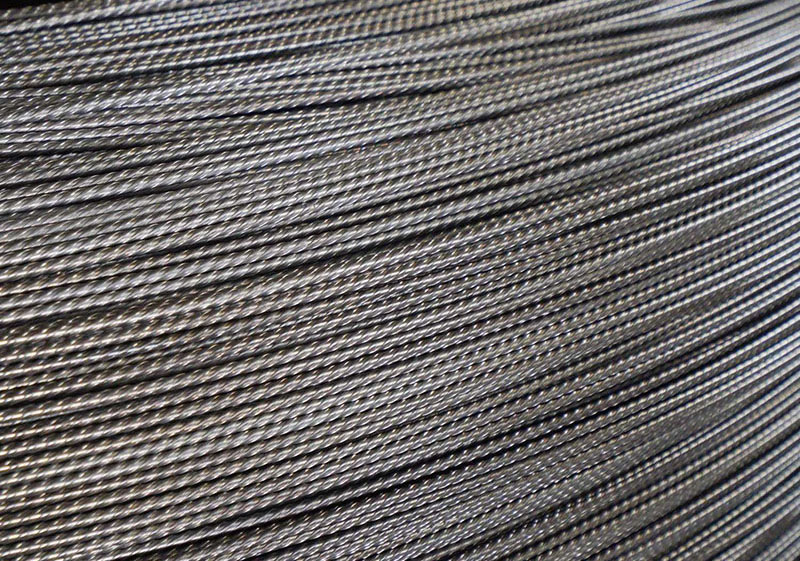
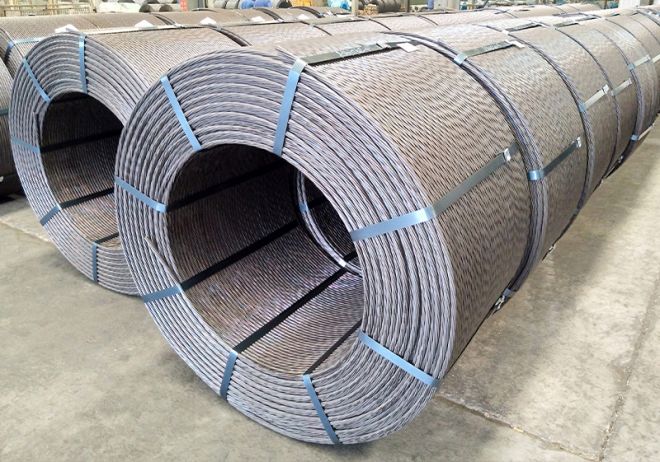
Viewed from the trade side, these trends ultimately converge into two capabilities: consistent product quality and reliable delivery performance. We are an import and export enterprise operating at the factory source, with wire rod selection, cold drawing, stabilization treatment, and finished-product inspection all completed on our own production lines. We maintain regular stock of 1860/1960 MPa spiral rib wire, and lengths and rib profiles can be customized to project drawings, with export documentation and third-party inspection reports supplied with each shipment. For batch projects such as wind turbine hybrid towers, sleepers, and piles, we can schedule production and delivery in phases according to the construction program.
If you have an overseas pre-stressing project underway, we welcome your drawings or technical specifications. We can prepare a tailored solution and quotation in advance for your comparison.
HOT PRODUCTS

Yuanxian High-tech Material is a company serving a worldwide customers base providing innovative and reliable product solution that recognizes the value of customer care.
+86 180 2006 1362
Haitai Huake Third Road No.1, Huayuan Industrial Zone, Binhai High Tech Zone, Tianjin, china
Quick Links
Product Category

Request a Quote
Welcome to subscribe toour email message!

Send a Message