EN
Jul. 29, 2026
In the processing of SWRH82B high-carbon steel wire rods, resistance butt welding is a standard process for ensuring the continuous operation of drawing lines; however, variations in weld joint control directly determine the quality of the finished prestressed steel strands and the safety of the engineering projects. Currently, there are significant disparities in weld joint control standards among companies in the industry; practices that simplify procedures may appear to boost short-term efficiency, but in reality, they harbor multiple risks that persist throughout the entire production and construction lifecycle.
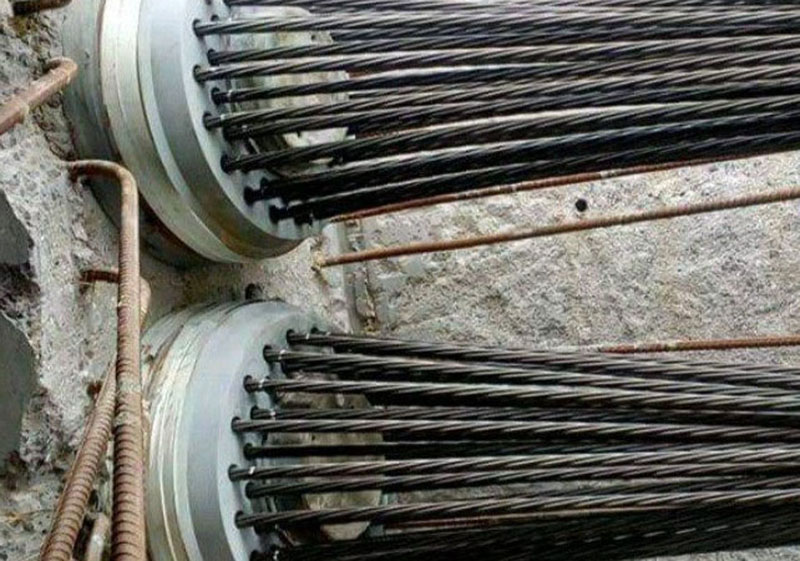
I. Purpose of Welding
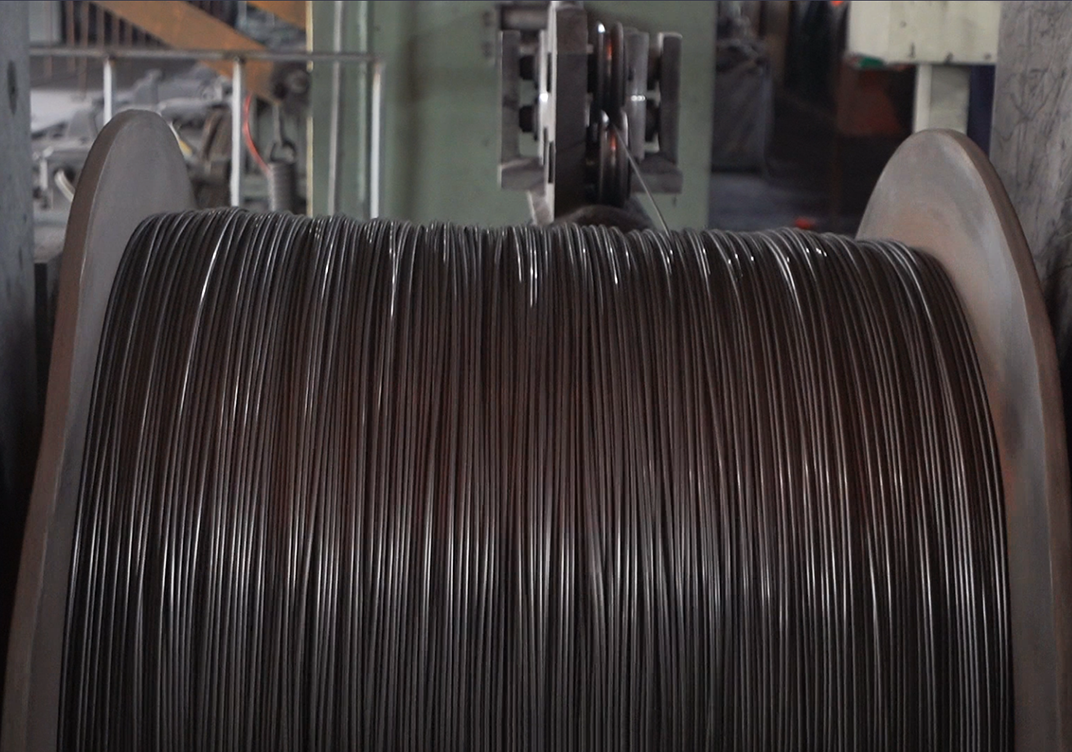
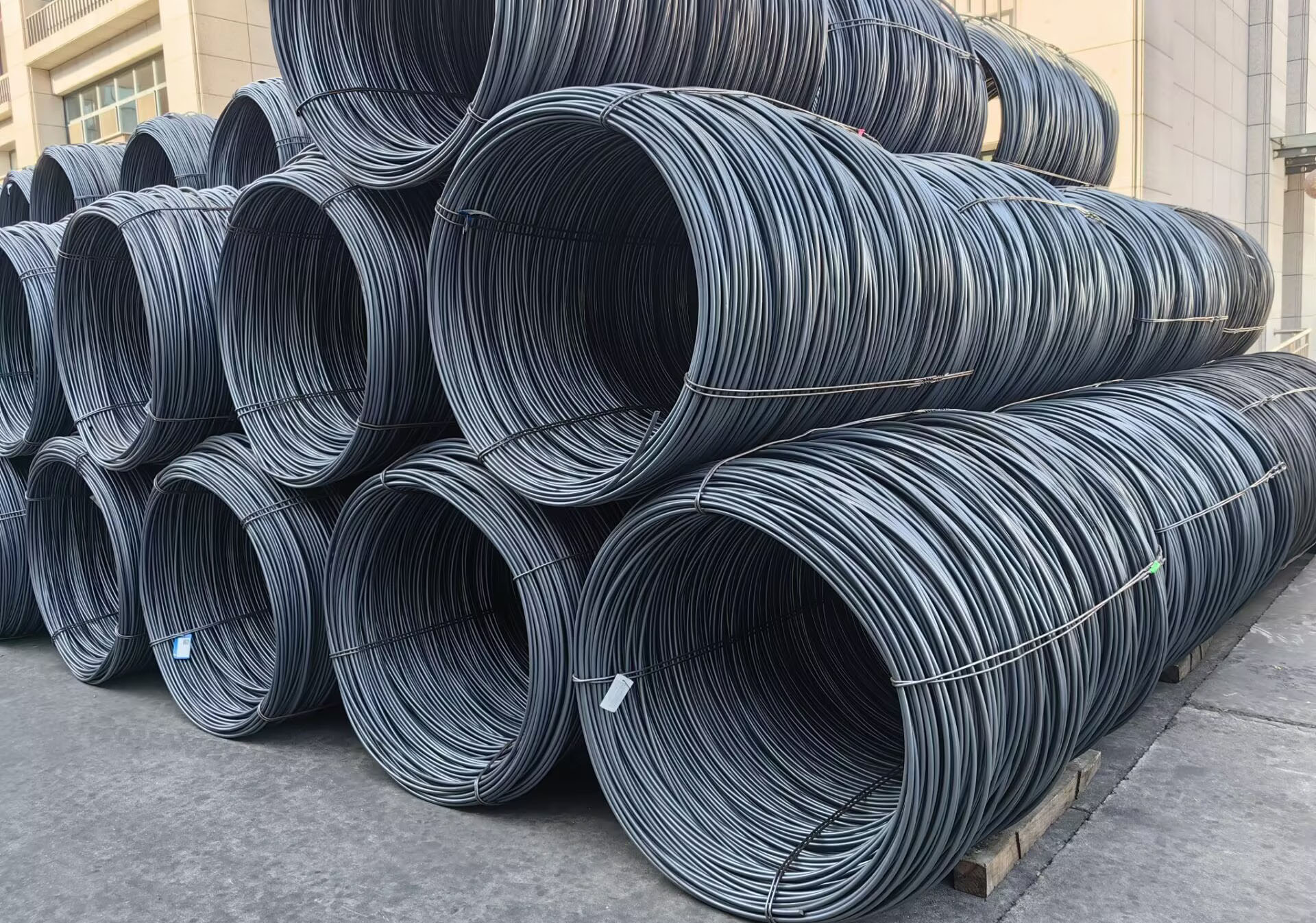
At our product line, SWRH82B wire rods weigh 2.4–2.6 tons per coil; the length of a single coil is insufficient to support 8hours of continuous production on the drawing equipment. Therefore, resistance butt welding is employed to join the ends of multiple coils, thereby reducing downtime associated with coil changes and increasing production capacity. All weld points are marked and their locations recorded; the welded sections are cut out based on these markers before the wire enters the stranding process.
Production control boundaries are clearly defined: marked weld points are permitted during the drawing process to ensure continuous production, whereas the presence of weld points is strictly prohibited in the stranding process to comply with the GB/T 5224 national standard and prevent the shipment of steel strands containing weld points.
II. Risks Associated with Weld Point Defects
Defects at weld points are highly persistent; they do not disappear during the deformation caused by wire drawing but instead become progressively more severe as production continues, creating a chain reaction of hazards:
1. Metallurgical Degradation of the Base Material
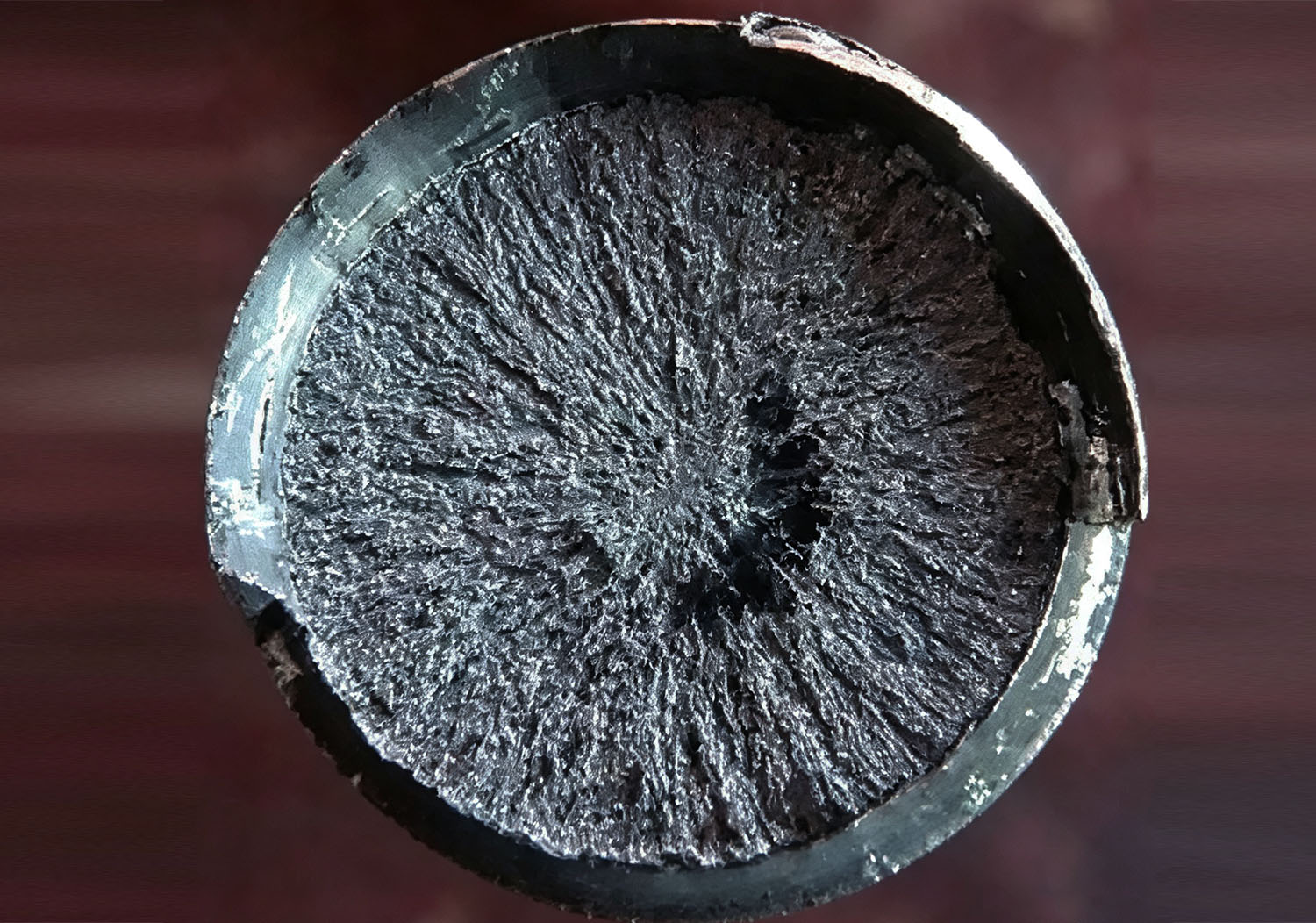
The heat-affected zone (HAZ) generated during welding is prone to forming brittle microstructures—such as Widmanstätten structures and network cementite—rendering the weld point the weakest structural link in the wire. Industry data indicates that over 70% of weld point fractures result from improper post-weld heat treatment. When compounded by issues such as incomplete joint cleaning and lubrication failure, these defects continuously foster risks of wire breakage, surface peeling, and cracking.
2. Compromised Stability of the Drawing Process
Uneven hardness and concentrated defects at weld joints make the wire prone to stress concentration during drawing. Weld joint defects account for 64.1% of wire breakage incidents; resolving a single breakage takes 1–2 hours, thereby reducing production capacity and yield. Furthermore, hard spots at the welds cause continuous wear on drawing dies, straightening wheels, and traction rollers, accelerating the consumption of consumables and driving up operation and maintenance costs. Frequent downtime and wire scrapping also result in significant economic losses.
3. Failure to Meet Finished Product Performance Standards
Weld joints cause fluctuations in mechanical properties—such as tensile strength and torsional performance—making it difficult to meet the requirements of national standards and ASTM specifications for high-end steel strands. They also impair coating adhesion and anchorage bond performance. Weld joints are implicated in 35.9% of strand breakage incidents during the stranding process; retaining weld joints improperly can lead to brittle fracture under tension, necessitating rework or even triggering catastrophic accidents such as bridge or slope collapses. This is precisely why GB/T 5224 prohibits the presence of welded joints in finished PC steel strands.
III. Comparison of Different Processes
Even for the same wire rod welding process, control standards vary significantly across different factories, resulting in vast differences in final product quality, engineering risks, and overall costs.
Comparison Aspect | Our Standardized Production Process | Inferior Processes Used by Some Manufacturers |
Weld Control During Drawing | Butt-welding of multiple 82B wire rods; all weld points are clearly marked and recorded | Welding is performed, but weld points are unmarked, making them impossible to locate |
Pre-Stranding Processing | Weld points are fully removed based on markings before stranding; finished single wires are seamless | Weld removal step is skipped; wires containing weld points are stranded directly |
Compliance with Standards | Strict adherence to GB/T 5224; finished strands must not contain welded joints | Disregard for national standards; finished products contain weld point defects |
Product Safety Performance | Stable wire strength, torsion, and tensile properties; no risk of breakage | Weld points are stress weak points prone to wire breakage during tensioning; risk of bridge or slope collapse |
Total Cost of Loss | Slight increase in initial labor for cutting; no product scrapping or project compensation claims | High rates of strand scrapping during tensioning; rework and compensation claims; doubled consumption of molds and consumables |
The comparison table reveals that while simplifying the weld-point removal process appears to save labor hours in the short term, it actually shifts cost pressures to downstream production and engineering; ultimately, the costs incurred regarding quality, safety, and economics far outweigh the labor hours saved initially.
IV. Preventive Measures for Weld Joint Defects
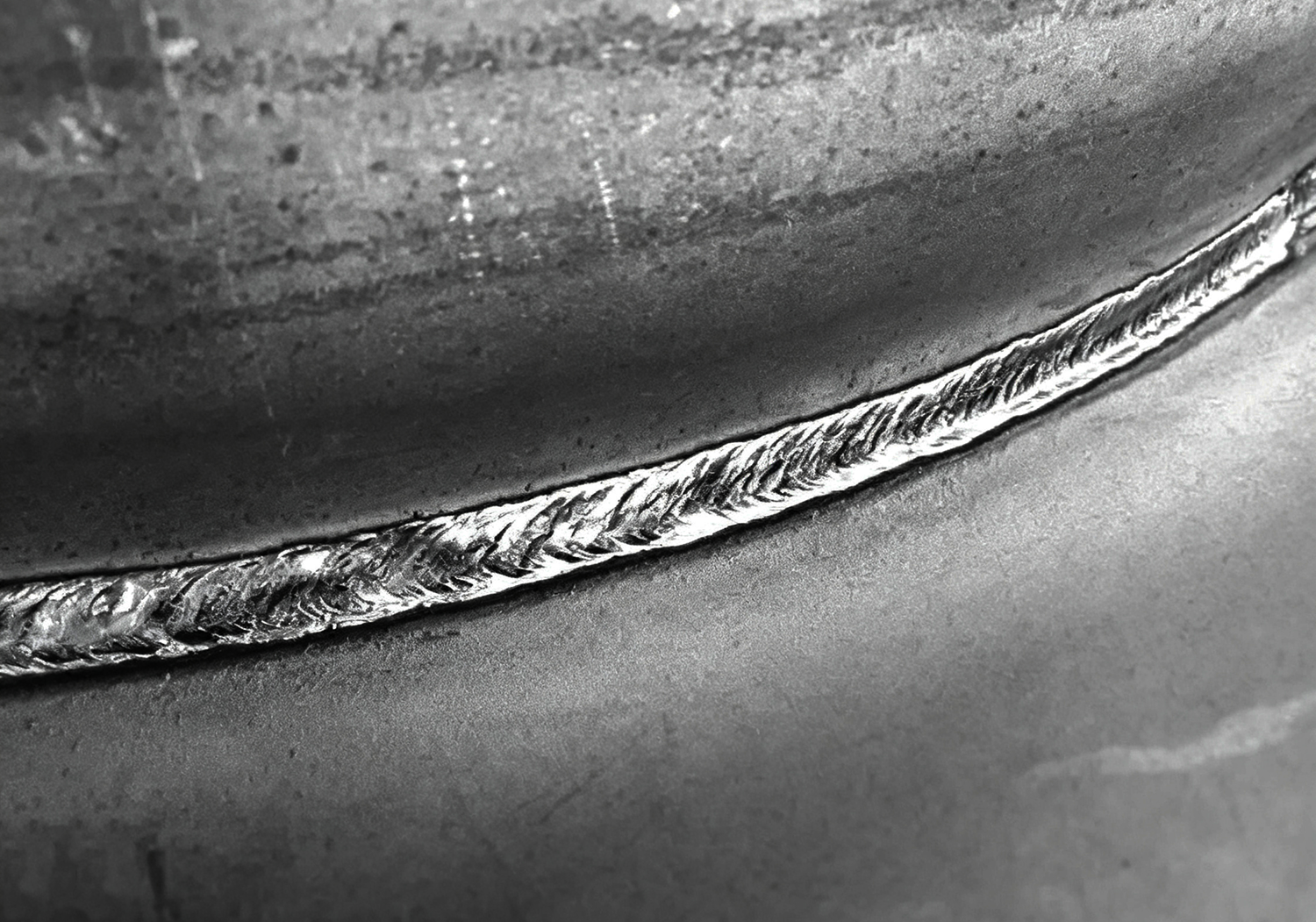
Addressing the nature of weld joint defects—specifically their tendency to propagate and their origins—production management strictly adheres to the principles of "prevention first, source control, and end-to-end process oversight." Before welding, the end faces of the wire rod joints and the welding clamp jaws are thoroughly cleaned to remove oxide scale, oil, and other impurities, thereby effectively preventing inclusion defects in the weld seam. During the welding process, the lubricant layer on the wire surface is protected to avoid drawing cracks caused by poor lubrication. At the finished product stage, targeted inspections are conducted on mechanical properties, torsion performance, and coating adhesion; non-conforming products are strictly intercepted to ensure that defective items do not enter subsequent processing or engineering application stages.
Summary
Many engineering quality issues stem from weld joints—often overlooked elements in the production process. Prioritizing continuous production at the expense of quality control may yield short-term efficiency gains but ultimately incurs higher costs related to rework, safety, and reputation.
Our facility balances the demands of continuous wire-drawing production with stringent finished-product quality standards through a proven, practical weld joint management system: we allow marked weld joints during the drawing process to maintain output capacity while ensuring the complete removal of all such joints prior to the stranding stage. Backed by a robust quality control system, we consistently supply high-standard prestressed steel strands, mitigating potential risks and fostering mutually beneficial partnerships.
HOT PRODUCTS

Yuanxian High-tech Material is a company serving a worldwide customers base providing innovative and reliable product solution that recognizes the value of customer care.
+86 180 2006 1362
Haitai Huake Third Road No.1, Huayuan Industrial Zone, Binhai High Tech Zone, Tianjin, china
Quick Links
Product Category

Request a Quote
Welcome to subscribe toour email message!

Send a Message