EN
Price And Market Trend
Aug. 13, 2026
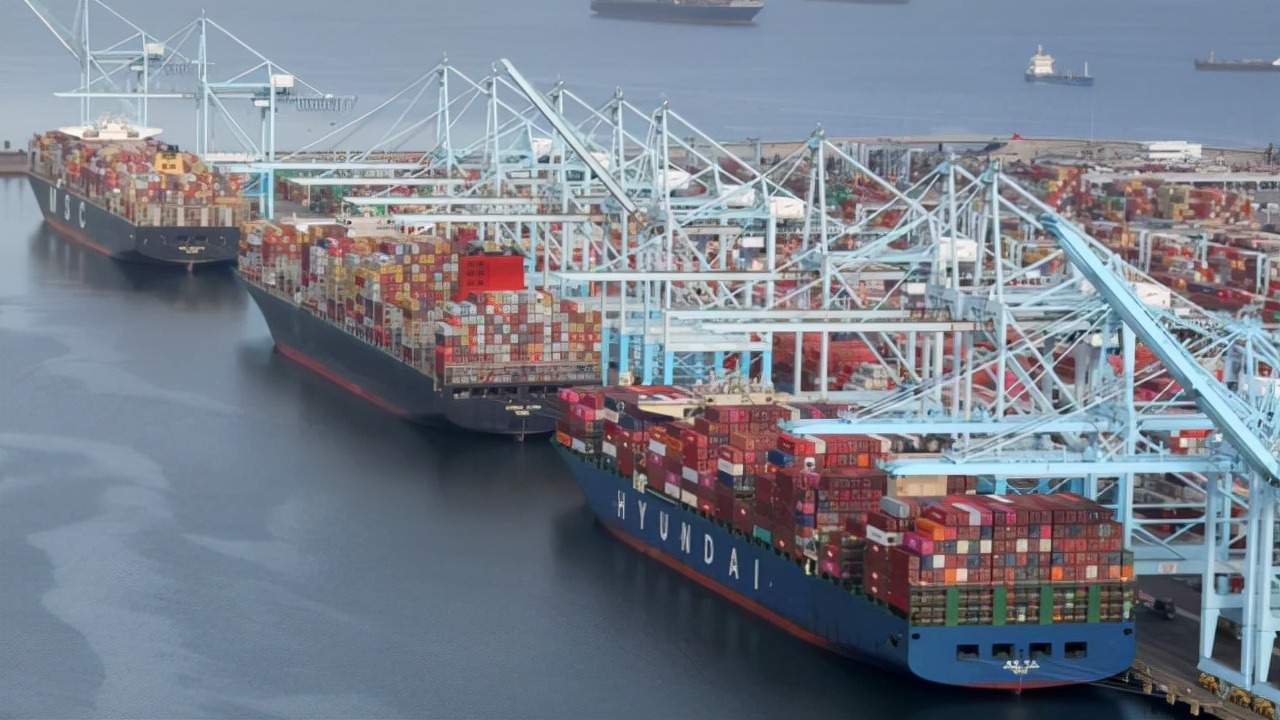
Constrained effective shipping capacity, shifting overseas inventory cycles and varying geopolitical conditions have created stark divergences across global container shipping routes. Although freight rates have retreated from peak levels seen during the busy season, the market lacks fundamental drivers for sustained declines, and rates are likely to fluctuate at high levels throughout the third quarter.
I. Phase of Market Adjustment
As August arrived, the rush of advance shipments by exporters in the first half of the year faded, cooling booking activity. Space shortages eased on most trade lanes, and booking lead times shortened from three to four weeks at peak season to one to two weeks, triggering corrections in spot freight rates.
The current pullback stems from a structural supply-demand rebalancing caused by frontloaded peak-season shipments, rather than a lasting deterioration of shipping fundamentals. Global supply chains remain exposed to route adjustments, container turnover efficiency, extreme weather and geopolitical tensions, widening freight differentials among various trade lanes.
II. Different Performance Among Main Route
The Trans-Pacific route remains relatively resilient. In July, freight indices for shipments to the US West Coast and East Coast rose month-on-month by 30.1% and 28.2% respectively. Demand for North America’s e-commerce promotions and year-end holiday stocking underpinned rates. Coupled with constrained waterway capacity due to low water levels in regional canals, diverted cargo volumes pushed up port logistics costs. Market pressures eased marginally in late July, as spot rates for US West Coast lanes edged down and space tightness improved.
Freight rates on Asia-Europe routes edged lower overall. Rates to key Northern European ports remained flat, while rates to Mediterranean destinations slipped moderately, and cases of cargo rolling reduced noticeably. The downward adjustment represents a normal unwinding of premiums built up amid earlier geopolitical risks. Nevertheless, longer sailing distances due to Red Sea diversions and steep war risk insurance premiums continue to form cost floors, limiting room for further rate falls.
Rates on Persian Gulf and Red Sea lanes are highly sensitive to geopolitical developments. Vital chokepoints carry massive volumes of containerized cargo and energy shipments. Disruptions to Red Sea transit force vessels to take longer alternative routes, while rising war risk insurance fees push logistics costs higher. Lane rates posted mixed results in July and are set to stay volatile without meaningful de-escalation of regional tensions.
III. Structural Capacity Constraints Provide Support
The core challenge lies not in insufficient container stockpiles, but shrinking effective usable capacity amid multiple headwinds. Port congestion, route diversions and vessel skipping extend container turnaround cycles. Meanwhile, the implementation of international maritime decarbonization rules accelerates the phase-out of older tonnage. Despite continuous new vessel deliveries, stably deployable effective capacity remains tight.
Geopolitical developments in the Middle East constitute the biggest variable. Any de-escalation could trigger visible freight corrections on affected lanes; prolonged tensions will sustain elevated rates. Broadly, the market lacks momentum for persistent steep hikes, and the "strong Trans-Pacific, softer Asia-Europe" divergence will persist.
Conclusion
To sum up, the current market cooling is merely a short-term correction rather than the start of a prolonged downtrend. Freight movements differ significantly across routes due to demand patterns, waterway conditions and geopolitics. Combined with persistently tight effective capacity, freight rates are expected to oscillate at high levels in the third quarter. Judging from typical stocking cycles, September may witness renewed competition for cargo space, bringing amplified volatility across all major lanes. Many uncertainties remain in global shipping; welcome to FOCUS ON relevant market developments.
Market Development Prospects of Unbonded PC Steel Strand
Factors Behind the Price Increase of Prestressed Steel Strand in 2026
HOT PRODUCTS

Yuanxian High-tech Material is a company serving a worldwide customers base providing innovative and reliable product solution that recognizes the value of customer care.
+86 180 2006 1362
Haitai Huake Third Road No.1, Huayuan Industrial Zone, Binhai High Tech Zone, Tianjin, china
Quick Links
Product Category

Request a Quote
Welcome to subscribe toour email message!

Send a Message