EN
Price And Market Trend
Mar. 04, 2026
Recently, the situation in the Middle East has continued to escalate. The global shipping market has been affected by international geopolitical tensions, conditions on major shipping lanes, and changes in global supply chains, resulting in significant fluctuations in freight rates.
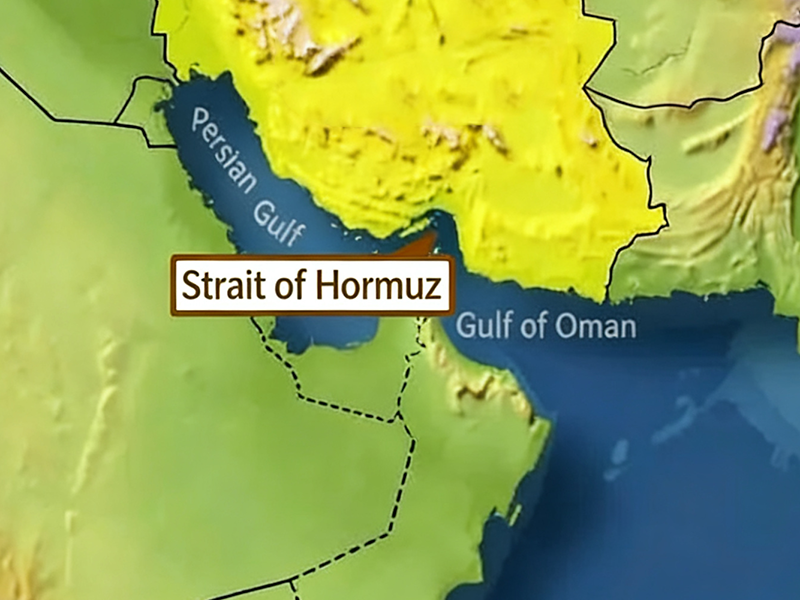
In March, due to security risks in the Red Sea and the Strait of Hormuz, vessels on the Asia-Europe main route have been forced to reroute via the Cape of Good Hope, increasing voyage time by 10–14 days. Vessel turnover efficiency has declined, and global effective shipping capacity has contracted noticeably.
Major carriers including MSC, Maersk, CMA CGM, and Hapag-Lloyd have raised freight rates and surcharges in March. Costs per container on some routes have increased by hundreds to thousands of US dollars, directly triggering sharp volatility in global sea freight prices.
Currently, the market is characterized by tight space, unstable schedules, and rising costs, with increasing risks of congestion and delays at destination ports.
Meanwhile, sharp increases in war risk insurance premiums, rising fuel costs, and restricted port operations have jointly driven rapid freight growth. Freight rates on routes to Europe, the Mediterranean, and the Middle East have risen most significantly, showing a phased upward trend. Rates on other routes have also fluctuated to varying degrees due to market spillover effects.
Major shipping lines have imposed war risk surcharges / emergency conflict surcharges. Freight on Middle East, Red Sea, Europe and Mediterranean routes have risen sharply, with container costs increasing by thousands of US dollars on some routes. Tight space, schedule delays, and transshipment congestion risks are rising. Rates on US and Latin American routes have also increased in line with the spillover effect.
In the short term, as long as geopolitical risks remain unresolved, sea freight rates and surcharges will stay high, and global supply chains and logistics costs will continue to be affected.
Recommendations:
1. Confirm all-in rates plus detailed surcharges before shipment to avoid hidden costs.
2. Book space 15–30 days in advance to secure space and rates.
3. Reserve a 15%–25% fluctuation margin for sea freight in quotations.
4. Monitor official announcements from carriers such as MSC and Maersk, and adjust shipment plans accordingly.
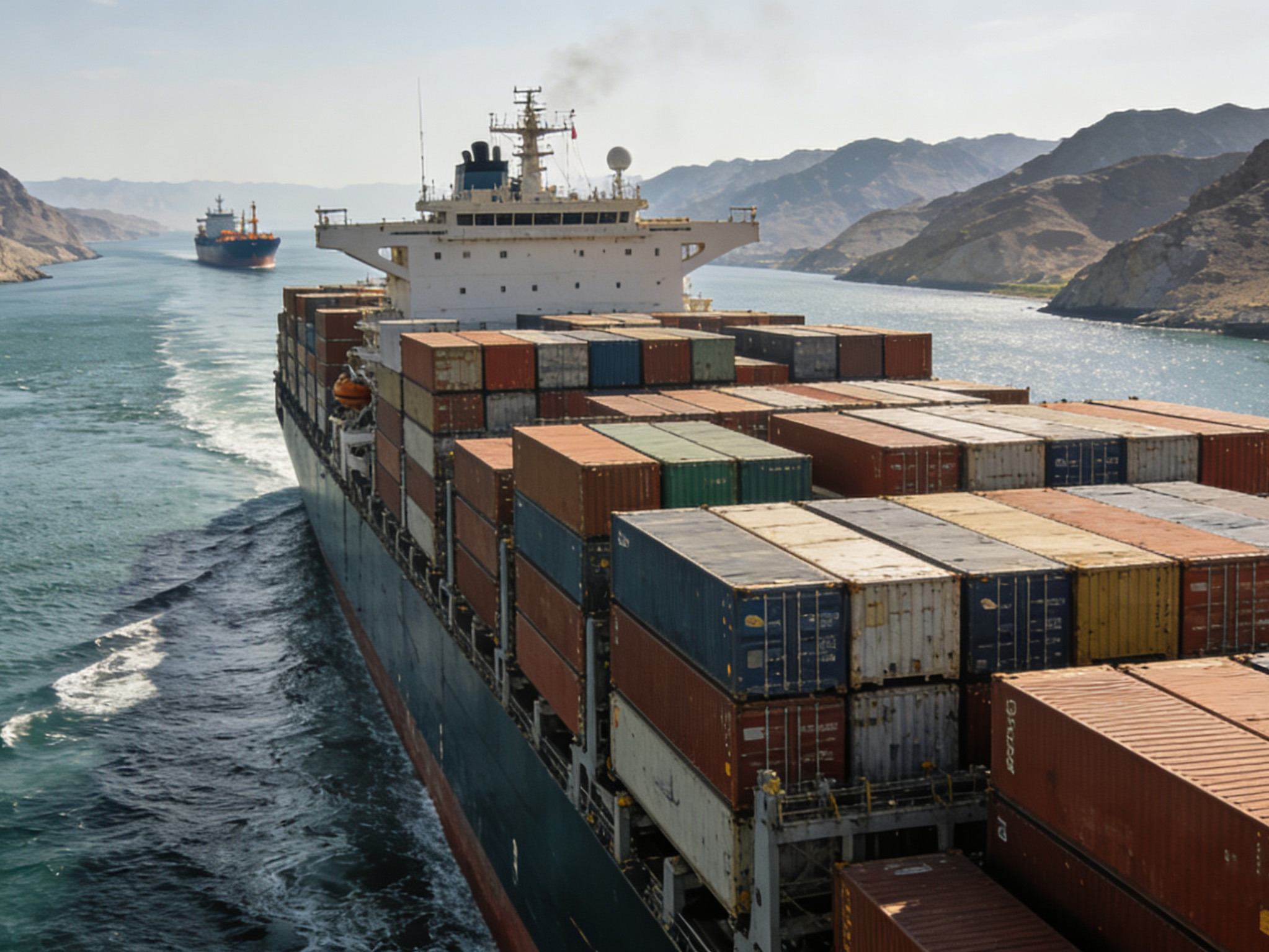
Overall, the combination of route diversions, tighter capacity, and higher costs has kept the global shipping market at a high level in March, with little chance of a rapid decline in the short term.
For foreign trade company and logistics enterprises, it is advisable to continuously follow carrier announcements and route updates, confirm the full cost structure before shipment, plan shipment cycles reasonably, and book space and rates in advance to mitigate cost risks from market volatility.
HOT PRODUCTS

Yuanxian High-tech Material is a company serving a worldwide customers base providing innovative and reliable product solution that recognizes the value of customer care.
+86 180 2006 1362
Haitai Huake Third Road No.1, Huayuan Industrial Zone, Binhai High Tech Zone, Tianjin, china
Quick Links
Product Category

Request a Quote
Welcome to subscribe toour email message!

Send a Message