EN
Price And Market Trend
Jun. 18, 2026
In June 2026, the domestic market for ferrous raw materials experienced significant volatility. Key coking coal varieties saw prices surge early in the month before pulling back mid-month; however, the underlying fundamentals of tight supply remained largely unchanged, and the upward transmission of costs continued to take effect. Driven by safety inspections at coal mines in major producing regions and periodic capacity contractions, coking coal spot prices remained high, continuously pushing up production costs across the entire steel industry chain.
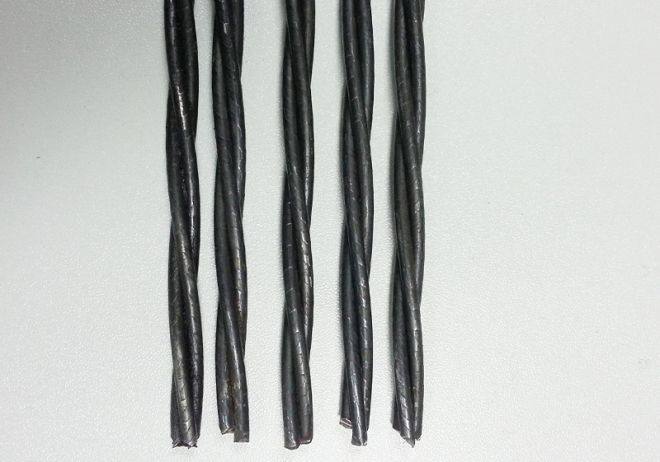
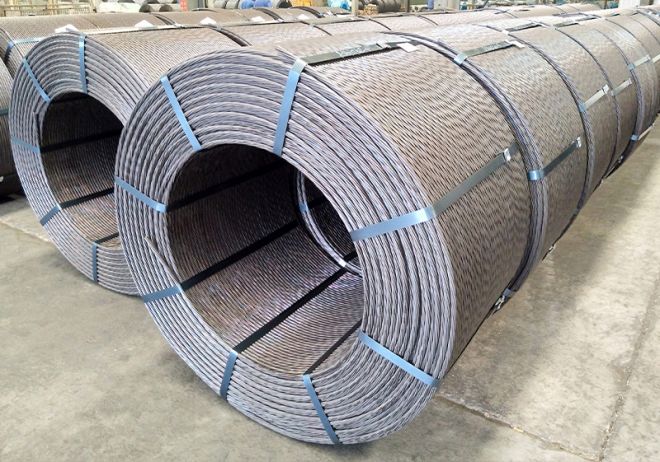
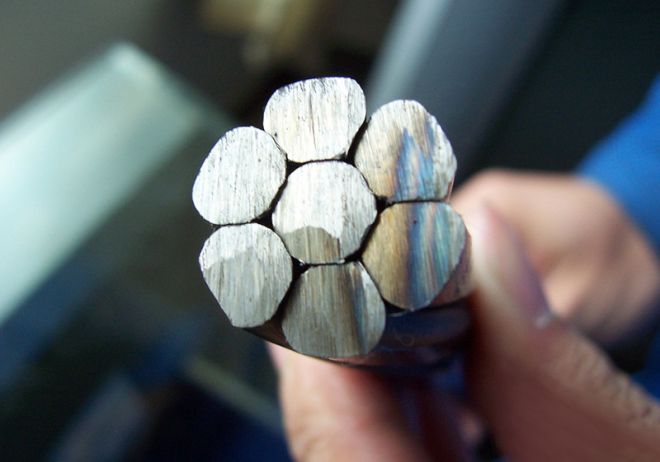
As essential materials for infrastructure, road and bridge construction, and rail transit projects, the ex-factory costs for a full range of products—including prestressed steel strands, high-strength threaded steel bars, and associated anchors and wedges—rose in tandem, leading to increased procurement costs for downstream engineering projects.

I. Upward Price Trend Across the Entire Prestressed Steel Product Line
The current rise in costs is not limited to a single product category; rather, it represents a price hike spanning the entire supply chain—affecting primary raw materials, auxiliary materials, and accessories used in prestressed steel production. With costs rising simultaneously across all stages of the value chain, manufacturers have generally been compelled to raise their ex-factory prices.
1. Core Raw Material: Rising Costs for 82B High-Carbon Wire Rod
82B high-carbon wire rod is the primary raw material for prestressed steel strand and wire, accounting for 82%–85% of the finished product's production cost; consequently, fluctuations in its price directly determine the price of the finished goods. Since June, upstream steel mills have faced persistent cost pressure from coal and coke prices. Compounded by controls on crude steel output and ongoing environmental production restrictions, market inventories have remained consistently low, creating a market dynamic where wire rod prices are prone to rising.
2. Alloy Additives: Ferroalloys Rise in Tandem
The production of high-strength prestressed steel and fine-rolled threaded steel requires the addition of alloy additives—such as ferrosilicon and silicomanganese—to enhance product performance. Market prices for these ferroalloys are closely tied to trends in coal and coke; as the prices of coking coal and coke have fluctuated upward, these additives have driven a steady, incremental rise in steel manufacturing costs, even though the price increase per ton is less pronounced than that of the primary steel materials.
3. Ancillary Components: Costs for Complete Anchorage Assemblies Rise
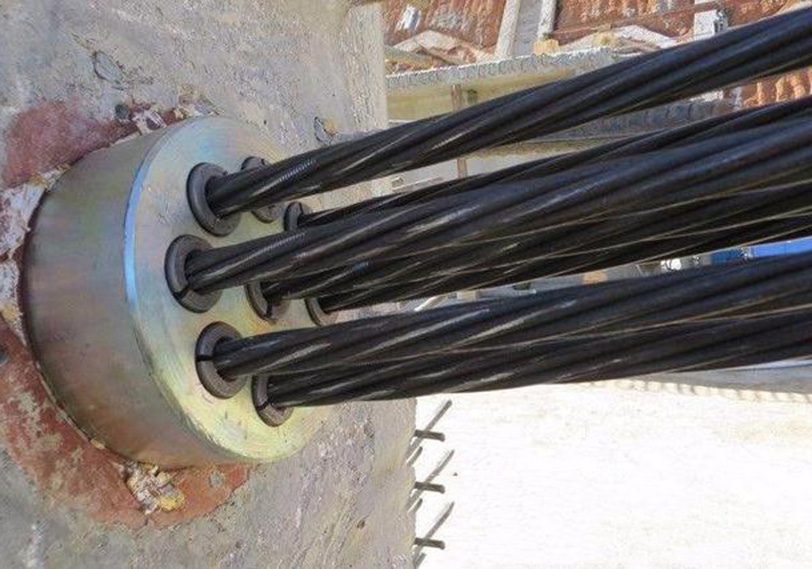
Medium-carbon steel billets serve as the core raw material for complete sets of prestressing components, including anchor plate, wedge, and bearing plate. In June, steel billet prices rose steadily, tracking the increasing costs of coal- and coke-based steelmaking. Compounded by simultaneous increases in processing and transportation expenses, the overall production and processing costs for these prestressing assemblies have climbed, leading to a corresponding rise in procurement costs.
II. Reasons for the Current Round of Raw Material Price Increases
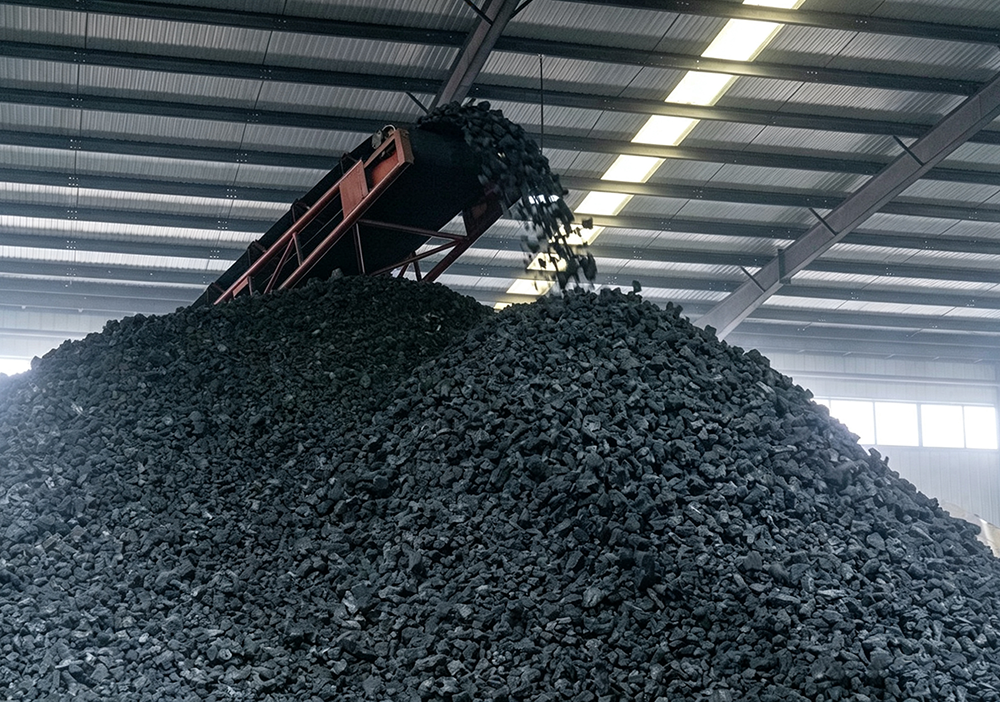
In June 2026, major domestic coking coal-producing regions launched a comprehensive special safety rectification campaign for coal mines. Mines in various locations underwent periodic shutdowns for maintenance, and the pace of resuming production fell far short of market expectations. Consequently, the volume of coking coal available in the spot market contracted sharply, driving coal prices steadily upward. The across-the-board price increase for prestressed steel products was primarily driven by the tightening of domestic coking coal supplies, compounded by rising energy costs and effective price transmission along the industry chain.
1. Direct Pass-through of Coal and Coke Costs to Steelmaking
Coking coal is the primary raw material for coke production; sustained increases in coal prices have forced coking plants to repeatedly raise their ex-factory coke prices. Coke accounts for 25%–30% of total steelmaking costs and serves as a key fuel in the production of 82B high-carbon wire rods and high-carbon steel billets. Although a slight decline in iron ore prices offers a minor offset to rising costs, the scope for mitigation is limited, making an unavoidable, structural rise in overall steelmaking costs a certainty.
2. Rising Industrial Energy Costs Exacerbate Production Burdens
Rising coal prices have driven up thermal power generation costs, leading to a simultaneous increase in industrial electricity rates. Processes such as wire drawing for prestressed products and low-temperature tempering heat treatment are highly energy-intensive; as electricity constitutes a fixed production cost, these price hikes further increase the financial burden on manufacturers.

III. Bidirectional Forces Influencing Coal Price Fluctuations
Entering mid-June, the tug-of-war between bullish and bearish sentiments in the coking coal market intensified, breaking the trend of unilateral price increases seen earlier in the month and resulting in wide-range volatility at high levels—a dynamic that directly impacted price fluctuations for prestressed steel products.
This market trend is underpinned by solid support for price increases: safety inspections and production restrictions continue to be enforced in key coal-producing regions like Shanxi, leading to significant output reductions in prime coking coal and a slow pace of production resumption (with current capacity utilization at sampled mines standing at only 69.6%).
The short-term supply gap remains unbridgeable, while rigid demand—driven by high levels of hot metal production at domestic steel mills and normalized restocking by coking enterprises—combines with bullish market expectations and capital inflows to consistently prop up the price floors for both coal and steel.
At the same time, multiple bearish factors are limiting the scope for price increases: June marks the off-season for infrastructure construction, resulting in sluggish end-user steel demand and pressure on steel mill profit margins—conditions that may lead to production cuts and reduced demand. Additionally, the continued influx of coking coal imports from Mongolia and Russia is supplementing domestic supply.
As policies to ensure supply and resume production take effect, earlier price gains have largely been erased, leaving room for a short-term correction, though overall market prices remain at a high level.
IV. Future Price Trend
1. Short-term (1–2 months): Predominantly fluctuating at high levels
The pace of capacity recovery for currently suspended coal mines remains slow, and the increase in coal imports is insufficient to fully offset the domestic supply gap. As the fundamental tightness in coking coal supply cannot be quickly alleviated, expectations remain for periodic price hikes in coke. With cost floors for upstream steel mills remaining firm, prices for key raw materials—such as 82B wire rod and steel billets—are expected to continue fluctuating at high levels.
Industry analysts forecast that coking coal prices will primarily trade within the 1,300–1,600 RMB/tonne range in the short term; any brief pullbacks would likely be mere technical fluctuations, and prices across the full range of prestressed steel products are expected to remain volatile at high levels.
2. Medium term (2–3 months): Gains moderate
As steel mill losses continue to widen, molten iron output is likely to be gradually reduced; consequently, the upward momentum for coking coal prices will weaken significantly, and prices are expected to stabilize within the 1,300–1,500 yuan/tonne range.
The medium-term price trend hinges on the strength of the recovery in steel demand from infrastructure and manufacturing sectors in the second half of the year. A concentrated start of traditional infrastructure and new energy-related projects would revive demand and support steel prices; conversely, if demand remains sluggish, steel prices will likely continue to fluctuate at low levels.
Overall, demand recovery remains slow during the current off-season for construction, and the lag in passing upstream costs downstream persists. Cost pressures on prestressed products—such as steel strand, fine-threaded rebar, and anchorage—are unlikely to ease in the short term, though finished product prices have not yet seen a sharp decline.
Summary
Based on current market trends and the outlook, raw material prices are likely to rise in the short term, while the medium-term trajectory remains uncertain. Coupled with continuously rising international shipping rates, the overall cost of bulk purchasing and stockpiling is also climbing. For enterprises requiring inventory for construction projects, this is a critical window to lock in prices at lower levels; as the peak construction season approaches, rising demand will drive prices up, leading to a significant increase in procurement costs.
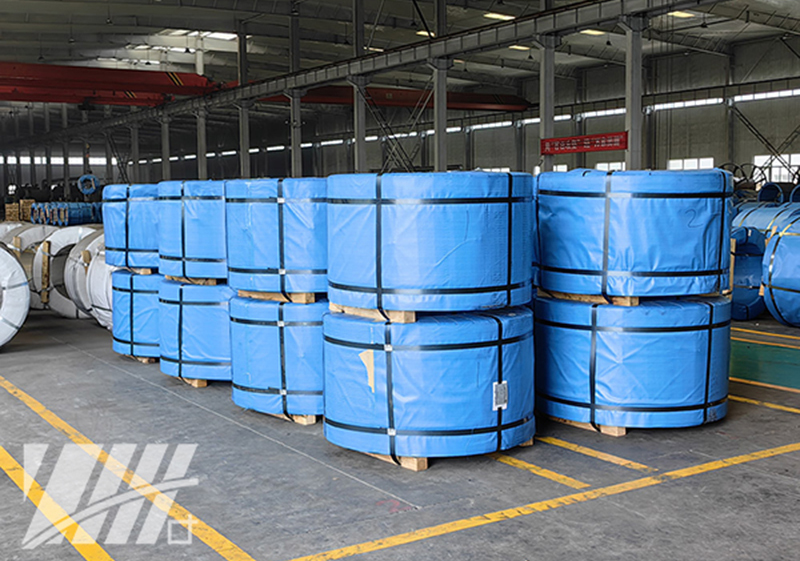
Our factory offers a one-stop supply of materials for infrastructure projects. We specialize in the production and sales of a full range of prestressed steel products and accessories. With years of industry experience, we maintain ample raw material reserves, ensuring a stable supply, consistent quality, and competitive pricing. Please contact us via the phone number or email listed on our website to receive quote.
Future Trends for Galvanized Prestressed Steel Strand (Flexible Photovoltaic Mounting Systems)
The Reasons for the Price Changes of Anchorage Raw Materials in May and June
HOT PRODUCTS

Yuanxian High-tech Material is a company serving a worldwide customers base providing innovative and reliable product solution that recognizes the value of customer care.
+86 180 2006 1362
Haitai Huake Third Road No.1, Huayuan Industrial Zone, Binhai High Tech Zone, Tianjin, china
Quick Links
Product Category

Request a Quote
Welcome to subscribe toour email message!

Send a Message