Company Event

Are Biodegradable Bags Really Biodegradable?

Sep. 06, 2023

Biodegradable bags have gained popularity as an environmentally friendly alternative to traditional plastic bags. They are often marketed as a sustainable solution that breaks down naturally, reducing the environmental impact. However, the term "biodegradable" can be somewhat misleading, and the actual environmental benefits of these bags can vary significantly. In this article, we will explore the concept of biodegradable bags, their properties, and the considerations you should keep in mind.


Understanding Biodegradable Bags

Biodegradable bags are typically made from materials that can break down into natural substances when exposed to specific environmental conditions, such as heat, moisture, and microorganisms. Common materials used in the production of biodegradable bags include:


  • Bioplastics: Derived from renewable sources like cornstarch or sugarcane, bioplastics can be compostable and biodegradable.

  • Polylactic Acid (PLA): PLA is a biodegradable plastic made from fermented plant starch, often used in biodegradable bags and packaging.

  • Starch-Based Materials: Bags made from starch are biodegradable and compostable in certain conditions.
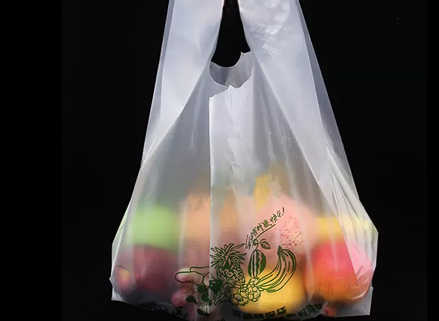

     Biodegradable Vest Bag

 Biodegradable Vest Bag

Biodegradability vs. Compostability

It's essential to distinguish between biodegradable and compostable bags. Biodegradable bags break down over time into natural elements, but the process may not always be as environmentally friendly as it seems. Compostable bags, on the other hand, are designed to break down into nutrient-rich compost when subjected to specific composting conditions.


Factors Affecting Biodegradability

Several factors can influence the biodegradability of these bags:


  • Environmental Conditions: Biodegradation depends on factors like temperature, moisture, and the presence of microorganisms. In landfills, where conditions may not be ideal, biodegradation can be slow or incomplete.

  • Material Composition: The type of material used in the bag's production affects its biodegradability. Some biodegradable plastics require industrial composting facilities to break down efficiently.

  • Timeframe: Biodegradation can take months or even years, depending on the bag's composition and environmental conditions.
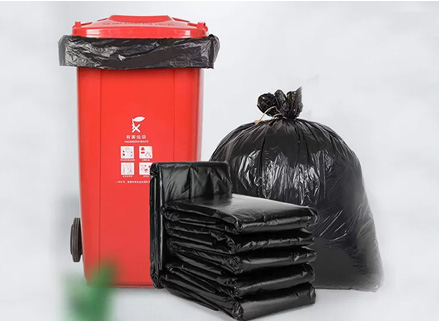

    Biodegradable Trash Bags 13 Gallon

Biodegradable Trash Bags 13 Gallon

Environmental Impact

While biodegradable bags can potentially reduce the long-term environmental impact compared to traditional plastic bags, they are not a panacea. The following considerations are important:


  • Resource Use: The production of biodegradable materials may require significant resources, such as land, water, and energy.

  • Waste Management: Proper disposal and management of biodegradable bags are crucial. Inadequate disposal methods, such as littering, can lead to environmental harm.

  • Alternative Solutions: Reusable bags made from durable materials like cotton or jute can be more environmentally friendly in the long run if used regularly.


Conclusion

Biodegradable bags can be a better choice than traditional plastic bags for certain applications, but their environmental impact is not guaranteed. The effectiveness of biodegradation depends on various factors, including material composition and disposal methods. To make more sustainable choices, consider reducing single-use bags altogether, opting for reusable options, and ensuring proper disposal of biodegradable bags through composting or industrial facilities when available.


Ultimately, the term "biodegradable" should not be seen as a blanket solution but rather as one element in a broader effort to reduce plastic waste and minimize our environmental footprint.


Whether you'd like to get more info on what, need help with what you're creating anytime… anywhere.

Yuanxian High-tech Material is a company serving a worldwide customers base providing innovative and reliable product solution that recognizes the value of customer care.

  • +86 180 2006 1362

  • info@yxmaterial.com

  • Haitai Huake Third Road No.1, Huayuan Industrial Zone, Binhai High Tech Zone, Tianjin, china

Phone

+86 180 2006 1362

Product Category

Request a Quote

Welcome to subscribe toour email message!

Copyright © Yuanxian High-Tech Material Trading (Tianjin) Co.,Ltd. All Rights Reserved | Sitemap Reanod

Wechat

Send a Message

Send a Message If you are interested in our products and want to know more details, please leave a message here, we will reply you as soon as we can.
  • Afghanistan
  • Albania
  • Algeria
  • American Samoa
  • Andorra
  • Angola
  • Anguilla
  • Antarctica
  • Antigua and Barbuda
  • Argentina
  • Armenia
  • Aruba
  • Australia
  • Austria
  • Azerbaijan
  • Bahamas
  • Bahrain
  • Bangladesh
  • Barbados
  • Belarus
  • Belgium
  • Belize
  • Benin
  • Bermuda
  • BBhutan
  • Bolivia
  • Bosnia and Herzegovina
  • Botswana
  • Bouvet Island
  • Brazil
  • British Indian Ocean Territory
  • Brunei Darussalam
  • Bulgaria
  • Burkina Faso
  • Burundi
  • Cambodia
  • Cameroon
  • Canada
  • Cape Verde
  • Cayman Islands
  • Central African Republic
  • Chad
  • Chile
  • China
  • Christmas Island
  • Cocos (Keeling) Islands
  • Colombia
  • Comoros
  • Congo
  • Cook Islands
  • Costa Rica
  • Cote D'Ivoire
  • Croatia
  • Cuba
  • Cyprus
  • Czech Republic
  • Denmark
  • Djibouti
  • Dominica
  • East Timor
  • Ecuador
  • Egypt
  • El Salvador
  • Equatorial Guinea
  • Eritrea
  • Estonia
  • Ethiopia
  • Falkland Islands (Malvinas)
  • Faroe Islands
  • Fiji
  • Finland
  • France, Metropolitan
  • French Guiana
  • French Polynesia
  • Gabon
  • Gambia
  • Georgia
  • Germany
  • Ghana
  • Gibraltar
  • Greece
  • Greenland
  • Grenada
  • Guadeloupe
  • Guam
  • Guatemala
  • Guinea
  • Guinea-Bissau
  • Guyana
  • Haiti
  • Honduras
  • Hong Kong, China
  • Hungary
  • Iceland
  • India
  • Indonesia
  • Iran (Islamic Republic of)
  • Iraq
  • Ireland
  • Israel
  • Italy
  • Jamaica
  • Japan
  • Jordan
  • Kazakhstan
  • Kenya
  • Kiribati
  • North Korea
  • South Korea
  • Kuwait
  • Kyrgyzstan
  • Lao People's Democratic Republic
  • Latvia
  • Lebanon
  • Lesotho
  • Liberia
  • Libyan Arab Jamahiriya
  • Liechtenstein
  • Lithuania
  • Luxembourg
  • Macau
  • Madagascar
  • Malawi
  • Malaysia
  • Maldives
  • Mali
  • Malta
  • Marshall Islands
  • Martinique
  • Mauritania
  • Mauritius
  • Mayotte
  • Mexico
  • Micronesia
  • Moldova
  • Monaco
  • Mongolia
  • Montserrat
  • Morocco
  • Mozambique
  • Myanmar
  • Namibia
  • Nauru
  • Nepal
  • Netherlands
  • New Caledonia
  • New Zealand
  • Nicaragua
  • Niger
  • Nigeria
  • Niue
  • Norfolk Island
  • Northern Mariana Islands
  • Norway
  • Oman
  • Pakistan
  • Palau
  • Panama
  • Papua New Guinea
  • Paraguay
  • Peru
  • Philippines
  • Pitcairn
  • Poland
  • Portugal
  • Puerto Rico
  • Qatar
  • Reunion
  • Romania
  • Russian Federation
  • Rwanda
  • Saint Kitts and Nevis
  • Saint Lucia
  • Saint Vincent and the Grenadines
  • Samoa
  • San Marino
  • Saudi Arabia
  • Senegal
  • Seychelles
  • Sierra Leone
  • Singapore
  • Slovak Republic
  • Slovenia
  • Solomon Islands
  • Somalia
  • South Africa
  • Spain
  • Sri Lanka
  • St. Helena
  • Sudan
  • Suriname
  • Swaziland
  • Sweden
  • Switzerland
  • Syrian Arab Republic
  • Taiwan, China
  • Tajikistan
  • Tanzania
  • Thailand
  • Togo
  • Tokelau
  • Tonga
  • Trinidad and Tobago
  • Tunisia
  • Turkey
  • Turkmenistan
  • Turks and Caicos Islands
  • Tuvalu
  • Uganda
  • Ukraine
  • United Arab Emirates
  • United Kingdom
  • United States
  • Uruguay
  • Uzbekistan
  • Vanuatu
  • Vatican City State (Holy See)
  • Venezuela
  • Viet Nam
  • Virgin Islands (U.S.)
  • Wallis and Futuna Islands
  • Western Sahara
  • Yemen
  • Zambia
  • Zimbabwe
  • Montenegro
  • Serbia
  • Palestine
  • South Sudan
  • Jersey